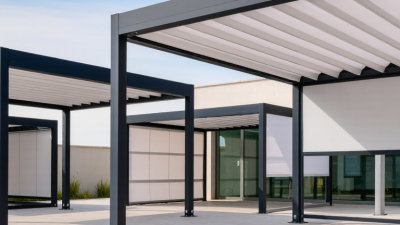

How to Choose an Aluminum Louvered Pergola in 2026
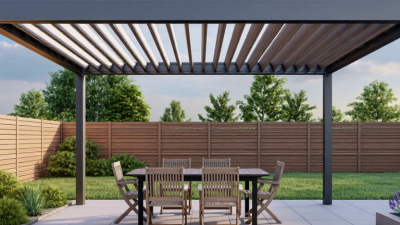
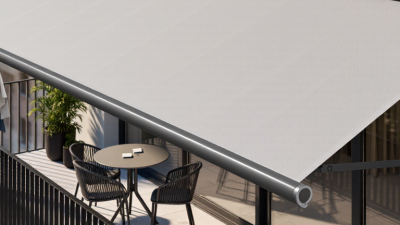
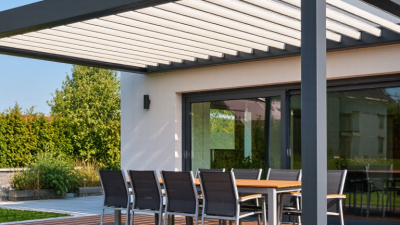
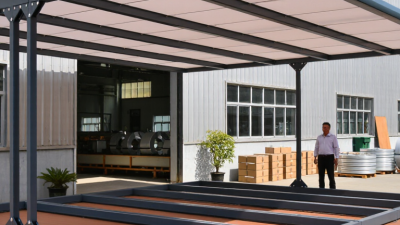
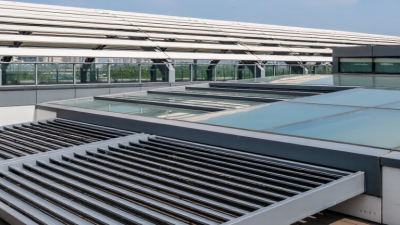
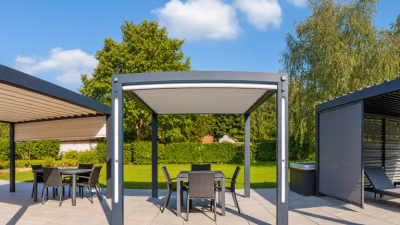
So you're thinking about getting an aluminum louvered pergola in 2026? Good move, but it's not as simple as just picking one off the shelf. You gotta balance a few things: how well it manages shade, how it stands up to the elements, how it looks, and whether you'll be constantly fixing it. Honestly, the louvers are the star of the show – they should spin nice and smooth and close up evenly. You don't want those awkward gaps letting the sun or rain sneak in right above your dining table. And here's the kicker: always read the fine print. Check the frame alloy, wall thickness, the coating, drainage paths, and what the hardware is actually made of – because cheap materials will bite you later. Hey, you really should ask how the system handles wind and snow loads at your spot. Don't just take a vague 'all-weather' label at face value—seriously, the specifics are what matter. You know, it's easy to get caught up in those glossy product photos, but a really careful comparison goes way deeper than that. I mean, you've got to double-check things like the actual opening dimensions, where the posts are going to sit, what kind of foundation it needs, and how much power it'll draw. And don't forget about whether it might mess with your existing drainage or lighting setup—that's a big one that people often miss. When you're talking to the seller or manufacturer, don't be shy about asking for the current drawings, the warranty exclusions (yeah, the fine print), maintenance guidelines, and any test documentation they have. Here's the thing though: ratings don't mean squat unless the conditions they were tested under match what you're planning to do. That part, honestly, gets overlooked all the time. So take your time, ask the right questions, and you'll avoid some nasty surprises down the road. Look, if you're putting a pergola on a narrow patio, you'll need different support spacing than if it's spanning a wide deck. And sure, aluminum means less upkeep overall, but don't think it's totally maintenance-free—you'll still want to check the moving parts, finishes, and drains every now and then. Also, when you're budgeting, don't just compare the frame price; factor in the total installed cost, and it's always a good idea to get advice from someone who knows your specific site. One thing they don't tell you in the brochures: they never show how a pergola actually feels when it's raining sideways or on a sticky summer afternoon. At the end of the day, the right choice isn't the one that's got the most bells and whistles. It's the one that actually fits your real situation—like, its documented limits, controls, and support services. That's what really counts.
Read more »