Leave Your Message
0%

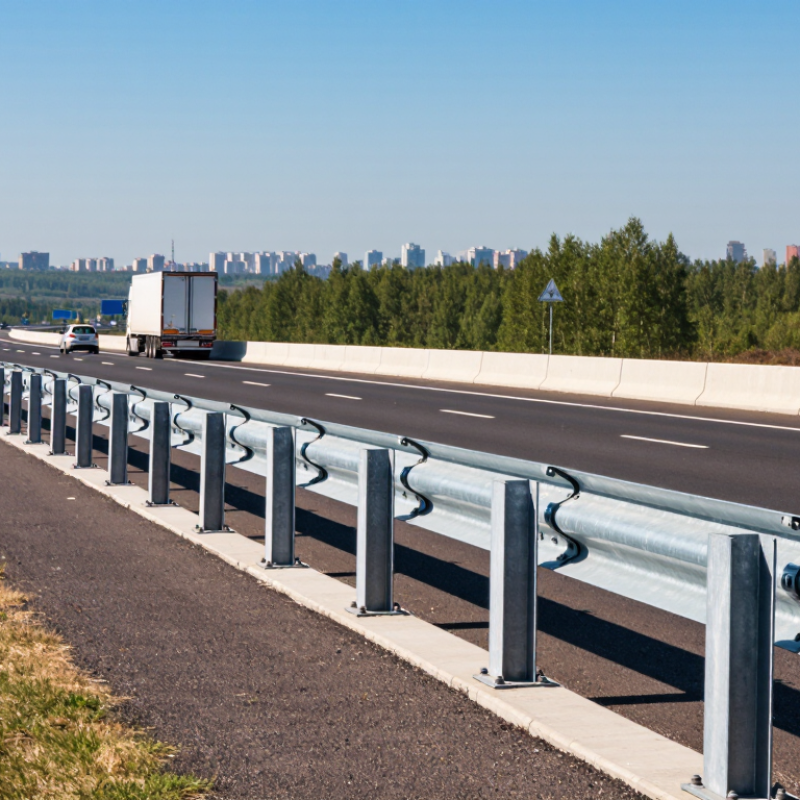
So, why does a Guard Rail really matter for global buyers? Well, it’s about more than just steel, pricing, or little export docs. A guard rail is actually a roadside safety feature, built to redirect vehicles and minimize the chance of severe impacts. Its effectiveness really depends on a bunch of factors—like the strength of the beam, how close the posts are spaced, the design of the terminals, corrosion resistance, how well it’s installed, and how it’s maintained over time. Skip even one small detail, and the whole system could become compromised.

Dr. Roger P. Bligh from the Texas A&M Transportation Institute, a pretty respected expert in roadside safety, puts it simply: “A barrier needs to be tested as a system, not just judged by how it looks.” That's something every global buyer should keep in mind. Just because a guard rail looks shiny and perfect, doesn’t mean it's gonna perform well. Buyers should really ask for traceable material certificates, verified crash-test reports, inspection records, and clear guidance on installation. And it’s super important to make sure that the product actually fits the specific road conditions—think about the climate, traffic, and local standards. For example, coastal areas might need better corrosion protection, while colder regions require careful attention to steel behavior and foundation stability.

Honestly, the little things do matter here. A savvy buyer might request samples before placing a big order, check the galvanizing thickness, or review independent testing results. Factory visits can also uncover issues like weak welds, flimsy packaging, or vague quality procedures. That said, no checklist is perfect—sometimes everything looks good on paper, but the actual installation at the site isn't up to par. Opting for cheaper guard rails might save money upfront but can lead to higher costs later on due to replacements and ongoing maintenance. Plus, sourcing from overseas comes with its own challenges—communication gaps, changing project specs, or uncertain after-sales support. The right suppliers will be upfront about what they can and can’t do, provide consistent documentation, and be willing to answer technical questions even after delivery. Because at the end of the day, safety isn’t something to just assume—it's about solid proof that it works.
Why Is Guard Rail Important for Global Buyers?

What Is a Guard Rail and What Functions Does It Serve?

A guard rail is a fixed protective barrier that reduces falls, collisions, and accidental entry into hazardous areas. It commonly includes a top rail, midrail, posts, anchor plates, and sometimes a toe board. The top rail provides hand-level protection. The toe board helps stop tools or materials from sliding over an edge. Simple hardware, serious responsibility.

The International Labour Organization reported about 2.93 million work-related deaths and 395 million non-fatal injuries worldwide in 2023. These figures show why physical protection matters beyond paperwork.

In the United States, OSHA 29 CFR 1926.502 requires guardrails to resist specified forces and sets a top-edge height of 42 inches, plus or minus three inches. However, global buyers should not copy one market’s dimensions blindly. ISO 14122-3 also addresses guardrails for permanent machine access, while local rules may differ.

A reliable guard rail must match its environment. Outdoor systems need corrosion-resistant finishes, secure anchoring, visible markings, and drainage around base plates. In agricultural or food-handling zones, Insect Guard Mesh may block pests while maintaining airflow. It is not a fall-protection substitute. Buyers should request load calculations, material certificates, inspection records, and installation drawings. Check the joints, too. Weak connections often fail before the rail itself. A specification may look complete but still miss real worker movement, maintenance access, or wet-floor conditions. That gap deserves honest review.

Which Workplace and Site Hazards Can Guard Rails Prevent?

Guard rails are a practical control for global buyers assessing workplace and site hazards. They protect workers from unprotected edges, roof openings, platforms, Stairs, and loading bays. The U.S. OSHA standard generally requires a top rail height of 42 inches, plus or minus 3 inches. It also requires intermediate protection where a person could fall through the opening. Small details matter.

Falls remain a serious warning. The U.S. Bureau of Labor Statistics recorded 1,069 construction fatalities in 2022, with falls, slips, and trips among the leading causes. In Great Britain, the Health and Safety Executive reported 40 fatal falls from height during 2023/24. A guard rail can prevent a worker from stepping backward off a platform or slipping beneath a weak barrier. It can also separate pedestrians from moving vehicles in busy yards. Clear visibility helps.

Not every barrier performs equally. Buyers should check load resistance, corrosion protection, anchoring, toe-board coverage, and inspection access. A coastal warehouse may need stronger corrosion control than an indoor workshop. A Window Insect Guard serves a different purpose and must not replace a tested fall-protection system. This distinction is easy to miss. Site inspections often expose poor spacing, loose fixings, or rails removed for convenience. Specifications alone cannot control those habits. Buyers should request test evidence, installation instructions, and maintenance guidance from qualified suppliers, then verify local requirements before purchase.

Why Are Guard Rails Important for Global Buyers?

Why Are Guard Rails Important for Global Buyers?

For global buyers, guard rails are more than metal barriers around a platform. They help reduce falls and guide movement near loading bays, stairs, and elevated walkways. A reliable system should match the site's height, spacing, load expectations, and climate. Salt air can corrode untreated steel. Frost can make Handrails slippery.

Purchasing teams should request drawings, material details, test records, and installation instructions before approval. Ask how posts connect to concrete, how anchors are checked, and whether replacement parts are available locally. These questions reveal practical quality, not just polished photographs. Regional building rules differ, so a supplier's compliance statement is not enough. An independent engineer or qualified inspector may need to verify the final installation.

Guard rails also affect daily operations. Clear openings can help forklifts move safely, while toe boards can stop tools from falling onto lower levels. In some facilities, a Door Insect Guard can support cleaner airflow at service entrances, but it must not obstruct emergency exits or safe access. This detail is easy to overlook. I have seen projects focus on the rail itself and ignore drainage, lighting, or maintenance space. That mistake can become expensive after installation. Measure twice. Record every assumption.

What Safety Standards Should Global Buyers Review?

Why Is Guard Rail Important for Global Buyers?

Global buyers should review safety standards before comparing guard rail prices. A low-cost product may fail under wind, impact, or poor installation conditions. Ask for documented load testing, material specifications, and inspection procedures. The supplier should explain the tested load, test direction, and fixing method clearly.

Check whether the rail meets recognized regional or international requirements. Requirements may cover height, opening size, edge protection, corrosion resistance, and handrail strength. Buyers should also review wind and snow loads for the installation location.

Coastal projects need stronger corrosion protection, especially around joints and fasteners. Request factory test reports, batch records, and installation drawings. Traceability matters.

Do not rely on photographs alone. A polished surface can hide weak welds or thin metal. During one project review, a drawing looked complete, but the anchor spacing was unclear. That small gap created installation risk. It needed correction.

Buyers should confirm tolerances, surface treatment, replacement parts, and maintenance access before approval. Local engineers may still need to verify the design. An Insect Guard For Windows serves a different purpose and should never replace a protective guard rail. Clear product classification prevents dangerous misunderstandings. Safety depends on the complete system, not the rail alone.

How Should Buyers Compare Guard Rail Materials and Designs?

When global buyers compare guard rail materials, the working environment should guide the decision. Galvanized steel offers strong impact resistance and suits warehouses, loading areas, and outdoor platforms. However, damaged coatings may expose steel to rust. Aluminum is lighter and easier to install, but it may deform more easily under heavy impact. Stainless steel resists corrosion well, especially in humid or coastal locations, yet its purchase cost is usually higher. Fiber-reinforced plastic can perform well near chemicals, although buyers should verify its load data and fire performance.

Design details deserve equal attention. Check post spacing, rail height, base-plate thickness, fastener quality, and connection strength. A smooth top rail improves handling, while a toe board helps prevent tools from sliding below the barrier. Removable sections can simplify maintenance, but loose connections may create safety concerns. Modular designs are convenient for projects with changing layouts. They are not automatically stronger.

From site inspections, I have found that installation quality often affects performance more than the catalog description. Ask for material certificates, test reports, dimensional drawings, and clear inspection records. Compare the same loading conditions, not just prices. A lower-cost rail may require frequent repainting or replacement. I once focused too much on material grade and overlooked drainage around the base. That mistake showed how small design details can influence long-term reliability. Buyers should also confirm local technical requirements before approving production.

Why Is Guard Rail Important for Global Buyers?

How Should Buyers Compare Guard Rail Materials and Designs?

Material selection affects guard rail strength, handling weight, corrosion resistance, service life, and installation cost. The chart compares representative engineering values for commonly specified materials. Density indicates transportation and handling impact, while yield strength indicates the stress level at which permanent deformation may begin.

Values are representative published properties for common grades and may vary by thickness, product form, alloy condition, and applicable standard. Global buyers should also verify guard rail height, loading requirements, edge protection, anchoring, corrosion class, and local compliance requirements before selecting a design.

How Can Buyers Verify Guard Rail Quality and Supplier Reliability?

Why Is Guard Rail Important for Global Buyers?

How Can Buyers Verify Guard Rail Quality and Supplier Reliability?

Guard rail quality should be verified through evidence, not attractive catalog images. Request material certificates, coating details, dimensional drawings, and current test reports. Check steel thickness with a calibrated gauge. Inspect welds for gaps, uneven beads, and visible cracks. A reliable guard rail should also show consistent hole spacing and clean edge finishing. Ask for a production sample before approving a large order. Small differences can become expensive installation problems.

Supplier reliability requires more than a competitive quotation. Review factory records, quality-control procedures, export experience, and inspection responsibilities. Request photos or videos from different production stages, not only finished products. Independent inspections can confirm dimensions, surface treatment, packaging, and loading methods. Verify whether the supplier can trace raw materials to each batch. A polished factory presentation is not proof. Delayed replies, changing specifications, or vague test documents deserve careful attention. Even experienced buyers can overlook packaging damage during long-distance transport.

Tips: Compare the approved sample with mass-produced goods. Record every tolerance in the purchase contract. Ask who pays for reinspection if results fail. Keep inspection photos with batch numbers. Do not accept “standard quality” without measurable requirements. One overlooked detail matters.

FAQS

What is a guard rail?

A guard rail is a fixed barrier near edges, openings, stairs, and platforms. It helps reduce falls, collisions, and accidental entry. Common parts include posts, a top rail, midrail, anchors, and sometimes a toe board. Simple hardware. Serious responsibility.

Where are guard rails commonly used?

They are used beside roof openings, loading bays, platforms, walkways, and machine access areas. They can also separate pedestrians from moving vehicles. A busy yard needs clear visibility and strong anchoring. Placement depends on real movement.

Can a guard rail prevent every workplace fall?

No barrier can remove every risk. A guard rail reduces exposure to open edges and gaps. It cannot correct wet floors, poor lighting, or unsafe work habits. Workers may remove rails for convenience. That creates a serious weakness.

What design details should buyers inspect?

Check rail height, post spacing, base-plate thickness, and fastener quality. Inspect joints carefully. Weak connections may fail before the rail itself. A toe board can stop tools from sliding below the barrier. Small details matter.

Which material suits outdoor guard rails?

Galvanized steel handles impacts well and suits outdoor platforms. Damaged coatings may still allow rust. Aluminum is lighter but may deform under heavy impact. Stainless steel resists humid and coastal corrosion, but costs more. Fiber-reinforced plastic may suit chemical areas. Verify its load and fire data.

How should buyers compare different guard rail designs?

Compare systems under the same loading conditions. Do not compare prices alone. Review material certificates, test reports, drawings, and inspection records. Modular sections can support changing layouts. They are not automatically stronger.

What should buyers check before installation?

Request load calculations, installation drawings, and maintenance instructions. Confirm local technical requirements before production. Check drainage around outdoor base plates. Inspect anchors, joints, rail spacing, and nearby access routes. Catalog information is not enough.

How does the site environment affect guard rail selection?

Coastal sites need stronger corrosion protection than dry indoor workshops. Wet floors require careful access planning and visible markings. Food-handling areas may need airflow and pest control. A pest-control mesh is not fall protection. That distinction is easy to miss.

Conclusion

A Guard Rail is a protective barrier designed to separate people, equipment, and vehicles from dangerous edges, openings, traffic routes, and elevated work areas. By creating a visible and physical boundary, it helps reduce falls, accidental access, collisions, and damage to workplaces, platforms, warehouses, construction areas, and industrial sites. Its effectiveness depends on suitable height, strength, stability, layout, and compatibility with the working environment.

For global buyers, selecting the right Guard Rail requires more than comparing prices. Buyers should review applicable safety standards, load requirements, installation conditions, corrosion resistance, maintenance needs, and material options such as steel or aluminum. They should also evaluate design flexibility, surface treatment, delivery capability, technical documentation, inspection procedures, and supplier experience. Product samples, test reports, drawings, certifications, and clear quality-control records can help confirm performance and reliability. A careful purchasing process enables buyers to choose a durable, compliant, and practical guard rail solution for different sites and operating conditions.

Amelia

Amelia

Amelia is a dedicated professional at Foshan Charmor New Materials Co., Ltd., where she excels as a skilled marketing specialist. With a profound understanding of the company's innovative product line, Amelia consistently demonstrates her expertise in the field of new materials. Her role involves......
Previous How to Choose an Adjustable Louvered Roof?