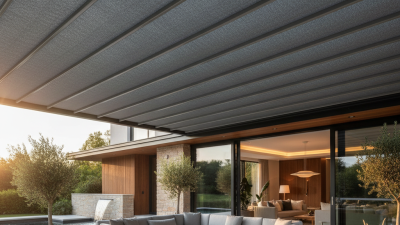
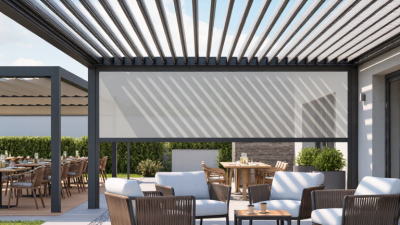
Honestly, picking materials for Outdoor Construction isn't just about looks. It's a durability call. If you're buying globally, you've got to factor in climate, transport, maintenance, safety, and whether local installers actually have the skills to put it in right.
Joseph Lstiburek, a building science expert at Building Science Corporation, has a line that still holds up: “The four principles of building science are rain control, air control, vapor control, and thermal control.” That advice is just as practical for patios, decks, pergolas, walkways, and outdoor kitchens. Bottom line? Materials need to handle moisture first. Appearance comes second.
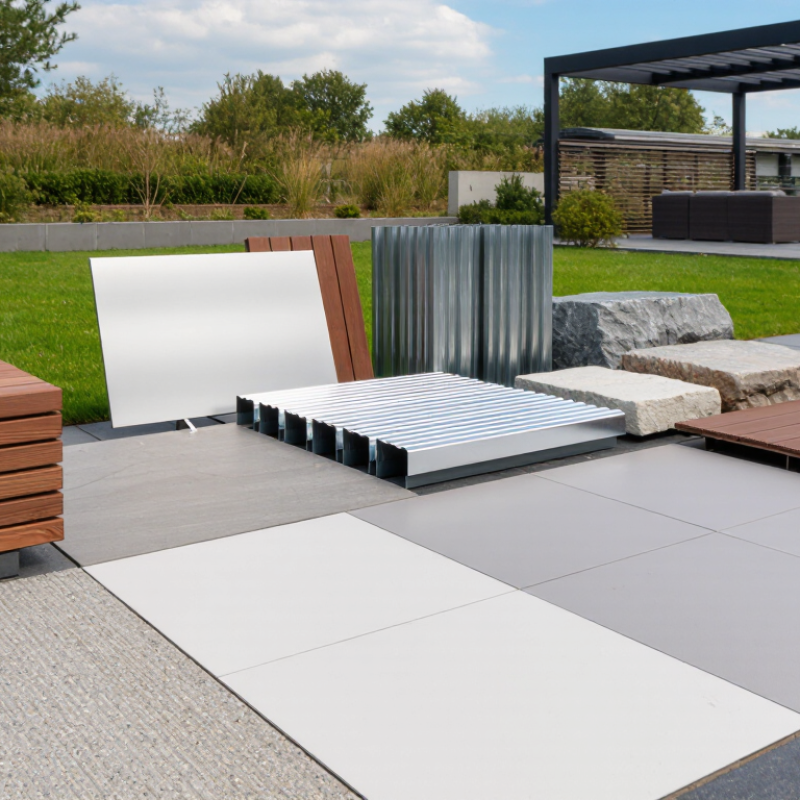
So, what are some solid options? This guide looks at seven: treated timber, aluminum, galvanized steel, concrete, natural stone, porcelain pavers, and composite Decking. Each has its own strengths. Treated timber feels warm and is easy to cut. Aluminum stands up to rust near the coast. Galvanized steel gives you structural muscle. Concrete takes heavy traffic and bigger layouts. Natural stone adds great texture, though quality can vary by quarry. Porcelain pavers absorb very little water and come in consistent sizes. Composite decking can cut down on routine staining and repainting.
Of course, no material is perfect.
A low-maintenance product might cost more upfront. A gorgeous stone might need careful sealing. Composite boards can get pretty hot in strong sun. And regional supply can change the final call. Something that works well in Australia may need different detailing in Canada or Southeast Asia.
Reliable purchasing is more than reading a product brochure. Ask for test data, installation instructions, warranty terms, and proof it suits your climate. Also look into recycled content and responsible sourcing claims. This article compares performance, maintenance, appearance, availability, and long-term value. The goal is practical guidance, not some universal ranking. At the end of the day, local conditions still matter most.
What Defines a Reliable Outdoor Construction Material
7 Best Outdoor Construction Materials for Global Buyers
What Defines a Reliable Outdoor Construction Material
Reliable outdoor materials must withstand weather, repeated use, and local installation conditions. Concrete performs well under heavy loads when its mix, curing, and drainage are properly controlled. Treated timber adds warmth, but it needs regular inspection near soil and standing water. Stainless steel resists corrosion, especially in coastal areas, while aluminum offers lower weight and easier handling. No material is perfect.
Durability begins with evidence, not appearance. Buyers should request test reports, technical data, and clear information about service life. Check resistance to ultraviolet exposure, freeze-thaw cycles, moisture, impact, and chemical contact. Brick and natural stone can last for decades, yet poor joints may allow water behind the surface. Composite decking reduces routine painting, but its heat retention and expansion require careful spacing during installation.
Site experience matters as much as laboratory results. A material suited to a dry inland project may fail quickly in a humid coastal environment. I have seen attractive surfaces crack because installers ignored movement joints and local drainage. That mistake is easy to underestimate. Reliable selection also considers replacement access, skilled labor, transport distance, and responsible sourcing. Buyers should compare lifecycle costs rather than purchase price alone. A slightly more expensive material may reduce repairs, delays, and waste over time.
Wood: Natural Appeal, Versatility, and Maintenance Needs
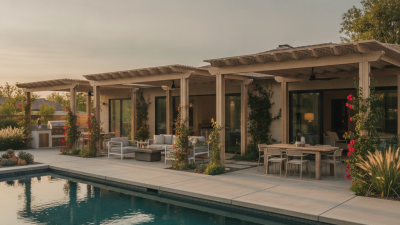
Wood gives outdoor structures a warmer, more tactile finish than metal or concrete. Grain remains visible. For global buyers, that appeal suits pergolas, screens, decking, and light framing. Pergola Construction often favors wood because workers can cut, drill, and repair it with ordinary site tools. However, species, grading, treatment, and climate exposure matter more than appearance. The FAO Global Forest Resources Assessment 2020 reports that forests cover about 31% of global land area, but abundant forests do not guarantee responsible sourcing. Buyers should request species details, moisture specifications, grading records, and documented supply-chain information.
Moisture control is central. The USDA Forest Products Laboratory’s Wood Handbook explains that decay risk increases when wood remains persistently wet. Keeping moisture near or below 20% creates less favorable conditions for fungal decay. Field inspections often find damage around unsealed end grain, trapped water, and fastener holes. Sloped caps, drained joints, and ground clearance help, where local codes permit. Maintenance is the weak point. Annual checks should examine soft spots, raised grain, cracked coatings, and loose connections. Maintenance intervals vary by rainfall and sunlight. UNECE and FAO reported a 6.7% decline in UNECE sawnwood consumption during 2023, showing how quickly market assumptions can change. I would not choose wood from a catalog image alone. A beautiful board can still move, split, or stain after one wet season. Lifecycle costing deserves more attention.
Concrete: Strength, Stability, and Long-Term Performance
Concrete remains one of the most dependable materials for outdoor construction. It handles heavy loads, strong winds, moisture, and daily temperature changes. A properly prepared concrete base can support patios, walkways, retaining walls, and pergola posts for decades. Its strength starts below the surface. Compacting the soil and adding a stable gravel layer can prevent uneven settlement.
On real outdoor projects, small preparation errors often become expensive repairs. Poor drainage may leave water beside the slab, causing cracks during freezing weather. Reinforcement can improve structural performance, but it must be positioned correctly inside the concrete. The mix should also match the project’s exposure, thickness, and expected load. A smooth finish looks attractive, yet it may become slippery when wet. A lightly textured surface is often safer.
Concrete also offers predictable budgeting for global buyers. Local labor, transport, reinforcement, and site access can strongly affect the Pergola Construction Cost. Requesting a detailed quotation helps separate material costs from installation charges. Allow time for curing before placing furniture or attaching heavy structures. This step is often ignored. I have seen rushed installations develop surface damage before the surrounding landscape was complete. Concrete is highly durable, but it is not maintenance-free. Inspect drainage paths, repair small cracks early, and avoid treating every crack as harmless.
Steel: Structural Power for Demanding Outdoor Projects
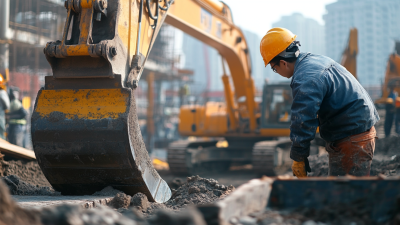
Steel gives outdoor construction projects the strength needed for heavy loads, strong winds, and repeated use. It supports warehouse frames, pedestrian bridges, gates, platforms, and equipment shelters. Its predictable performance helps engineers calculate spans, connections, and safety margins with confidence. The material also allows precise fabrication before delivery, which can reduce installation time on remote sites. However, steel is not maintenance-free. Outdoor moisture, salt air, and trapped water can gradually attack exposed surfaces.
Tips: Choose a steel grade that matches the project’s loads and local climate. Use protective coatings, galvanizing, or a suitable paint system when corrosion is likely. Detail every connection carefully. Water should drain away, not collect around bolts, welds, or base plates. Ask suppliers for mill certificates, coating specifications, and dimensional inspection records. These documents support reliable purchasing across international markets. Clear packing instructions also prevent scratches and bending during transport.
Site experience often reveals small weaknesses that drawings miss. A poorly sealed joint can rust faster than a large exposed beam. A thin coating may look acceptable but fail after one wet season. This is where practical inspection matters. Check edges, welds, cut sections, and underside areas before installation. Steel can be extremely dependable, yet its performance depends on design, fabrication, protection, and care. I have seen projects over-specify the frame while underestimating drainage. That mistake is easy to repeat.
Stone: Durability and Timeless Architectural Character
Stone remains a trusted choice for outdoor construction because it combines strength with a naturally refined appearance. Granite, limestone, slate, and sandstone each perform differently in changing climates. Granite usually resists heavy wear and freeze-thaw cycles. Limestone offers warmth but may absorb more moisture. Local testing matters.
Durability begins before installation. Buyers should check water absorption, compressive strength, slip resistance, and resistance to salt or frost. A stone terrace needs a stable base, controlled drainage, and properly sized joints.
Poor water management can split surfaces during winter. It can also create dark stains beneath shaded areas. Experienced installers inspect the stone’s thickness and grain direction before cutting.
Stone adds lasting character to walls, steps, columns, and Pergola Construction Plans. Its uneven colors can make a structure feel connected to its setting. Perfect uniformity is unrealistic. That is part of the appeal. However, careless selection may produce mismatched tones or fragile edges. I would request physical samples and examine them after wetting, not only under showroom lights. Maintenance is usually simple, but porous stone may need periodic sealing. Even strong stone can fail when ignored.
Composite Materials: Low-Maintenance Options for Modern Builds
Composite materialsare practical choices for decks, façades, railings, and Outdoor Furniture. Wood-plastic composites resist rot, insects, and surface splintering better than untreated timber. Fiber-reinforced polymer panels also offer high strength with limited repainting.ASTM D7032 provides performance requirements for many wood-plastic composite decking products, helping buyers compare structural performance, water absorption, and durability.
Maintenance still matters.A shaded deck may collect algae, while pale boards can reveal dirt after rain. Wash surfaces with mild soap and water, and inspect fasteners each season. Avoid assuming that “maintenance-free” means permanent. Heat, ultraviolet exposure, standing water, and poor ventilation can shorten service life. The International Code Council and ASTM guidance should be checked for local installation requirements, especially around Stairs, balconies, and guardrails.
Material selection also affects environmental performance. The 2024 Global Status Report for Buildings and Construction reports that buildings and construction consume about 32% of global energy and create roughly 34% of global carbon dioxide emissions. Composite products may reduce replacement frequency, but their manufacturing and end-of-life recycling require scrutiny. Ask suppliers for recycled content, service-life testing, and verified environmental data. Life-cycle results can change by climate, transport distance, and installation quality. One detail is often underestimated: dark composite boards may become uncomfortable under direct summer sun. A lighter surface, ventilated substructure, and adequate drainage can improve real-world performance.
How to Select Materials for Climate, Budget, and Project Use
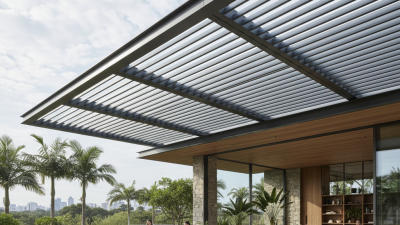
Choosing outdoor materials starts with climate, not appearance. In humid coastal areas, salt and constant moisture accelerate corrosion. Aluminum resists rust and suits lightweight pergolas. Galvanized steel offers strength, but damaged coatings need prompt repair. Stainless steel performs well near saltwater, though its price can strain modest budgets. In cold regions, freeze-thaw cycles punish porous stone and poorly cured concrete. Use dense stone, reinforced concrete, or treated timber with drainage gaps. Timber feels warm and cuts easily. It demands regular sealing, especially under strong sunlight. Looks durable is not proof.
Budget decisions should include installation, maintenance, and replacement. A cheap board may become expensive after repeated painting or warping. Composite boards reduce routine finishing, but quality and heat expansion vary. Ask for test data, warranty terms, and local climate references. For Pergola Construction Materials, compare spans, fastener compatibility, footing needs, and expected service life. A simple shade structure may need aluminum or treated timber. A heavy roof may require engineered steel or concrete supports. Do not select by material price alone. That mistake is common.
Project use changes the answer. Poolside structures need slip-resistant surfaces and corrosion-resistant connectors. Garden paths need traction, drainage, and easy cleaning. Driveway paving needs abrasion resistance and a stable base. Check local building requirements before ordering materials. A qualified contractor should verify loads, wind exposure, fire performance, and soil conditions. I have seen attractive installations fail because drainage was ignored. I also underestimated maintenance once. Context matters. Recheck the plan after a rainy season. Maybe the strongest option is not the most suitable one.
7 Best Outdoor Construction Materials for Global Buyers
Compare typical service life with a normalized initial-cost index to select materials for climate, budget, and project use.
Concrete, galvanized steel, aluminum, and natural stone generally provide longer service lives in demanding outdoor environments. Pressure-treated wood and cedar can be cost-effective for decks, fences, and garden structures, while composite decking offers a balance between maintenance requirements and durability. Service life depends on installation quality, moisture, ultraviolet exposure, freeze-thaw cycles, salt air, and maintenance. The cost index is normalized to concrete at 100 and represents typical material cost rather than a fixed market price.
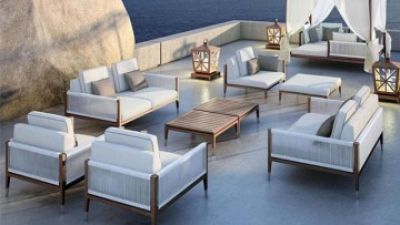
Modern Luxury Outdoor Living: Waterproof Aluminum-Frame Teak Furniture for Patios and Balconies
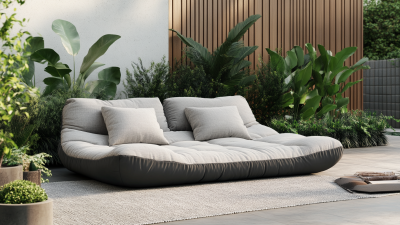
Modern luxury outdoor living begins with furniture that combines refined design, lasting performance, and everyday comfort. Our waterproof aluminum-frame teak furniture is crafted for patios and balconies, pairing the natural warmth of high-quality teak with the strength of a durable aluminum structure. This combination creates a weather-resistant finish designed to withstand changing outdoor conditions in China, including sunlight, humidity, and occasional rain. With clean lines and elegant proportions, each piece brings a sophisticated yet welcoming atmosphere to residential and commercial spaces.
Designed for relaxation, these outdoor furniture sets offer spacious seating and supportive proportions for entertaining guests, enjoying quiet mornings, or unwinding after a long day. Customizable sizes make it easy to create a layout that suits compact balconies, expansive patios, gardens, and hospitality areas. Beyond outdoor use, the versatile sofas and seating solutions can also complement kitchens, bathrooms, home offices, living rooms, bedrooms, and dining spaces. Practical, comfortable, and adaptable, this collection helps create a cohesive modern environment wherever it is placed.
FAQS
It should resist weather, repeated use, impact, moisture, and local installation conditions. No material is perfect.
Ask for test reports, technical data, service-life estimates, warranty terms, and climate-specific references. Appearance is not evidence.
Timber offers warmth and easy cutting for pergolas, screens, decking, and light framing. It needs regular inspection and moisture control.
Keep timber away from standing water and soil where permitted. Seal end grain, drain joints, and inspect soft spots annually.
Aluminum, stainless steel, and properly protected steel can perform well near saltwater. Damaged coatings need prompt repair.
Freeze-thaw cycles can damage porous stone and poorly cured concrete. Choose dense materials, proper reinforcement, and effective drainage.
Not always. Include installation, painting, repairs, transport, and replacement costs. A cheap board may warp after one wet season.
Poolside areas need traction and corrosion-resistant connectors. Driveways require abrasion resistance, stable bases, and reliable drainage.
No. Local skills, soil, wind, drainage, and maintenance also matter. I once underestimated maintenance needs. That changed my view.
Conclusion
Choosing the right Outdoor Construction material is essential for creating safe, durable, and attractive exterior spaces. This guide explains what makes a material reliable, including strength, weather resistance, maintenance requirements, service life, and overall value. Wood offers natural warmth, design flexibility, and versatility, but it requires regular care to manage moisture and aging. Concrete provides stability, impact resistance, and dependable long-term performance, while steel delivers exceptional structural strength for demanding outdoor projects. Stone adds lasting durability and timeless architectural character, making it suitable for both functional and decorative applications.
The guide also introduces composite materials as practical, low-maintenance options for modern construction. Each material has different advantages, costs, and installation considerations, so the best choice depends on the project’s purpose, local climate, available budget, expected lifespan, and desired appearance. By comparing these factors carefully, global buyers can select materials that balance performance, maintenance, design, and long-term value.