Picking out a Wood Plastic Composite Panel in 2026 isn’t just about comparing colors or prices. Honestly, the right choice depends on a bunch of factors—like where you plan to install it, how much weight it needs to handle, exposure to moisture, and how much upkeep you're willing to do. For example, a sunny balcony can really heat up a dark-colored panel, so that’s something to think about. Meanwhile, a shaded garden wall faces its own unique challenges.
The market’s definitely growing, but those headliner numbers don’t tell the whole story. I came across a report from Grand View Research—they put the global market at around USD 7.1 billion in 2023 and expect it to keep growing through 2030. But, keep in mind, that figure covers way more than just panels. It's more about how much interest there is overall. So, while it’s good to see demand climbing, it doesn’t mean every product is top-notch. Always check the report’s scope before using its numbers to compare different suppliers.
When you're actually choosing, start by looking at what’s inside the panels and what proof points are out there. Don’t be shy—ask vendors about the types of wood fibers and polymers they use, if they incorporate recycled materials, and details like dimensional tolerances and how to install. It’s a good idea to review technical data sheets and independent testing reports, especially for things like water absorption, strength, slip resistance, and how well the color holds up over time. Make sure these results match up with what you need the panel for.
Little details matter a lot—stuff like how neat the cut edges are, how close those fasteners are spaced, and whether water drains nicely after rain. Also, don’t skip reading the warranty details—sometimes they won’t cover installation mistakes or extreme weather conditions. A fancy sample might look great but hide weak documentation or inconsistent quality, so it pays to be thorough.
This guide is here to help you compare specs, gauge manufacturing quality, and think about the long-term costs versus appearances. Keep in mind, some claims in product info can be tricky to verify. So, be cautious—always ask suppliers for proof or evidence before you make the final call.
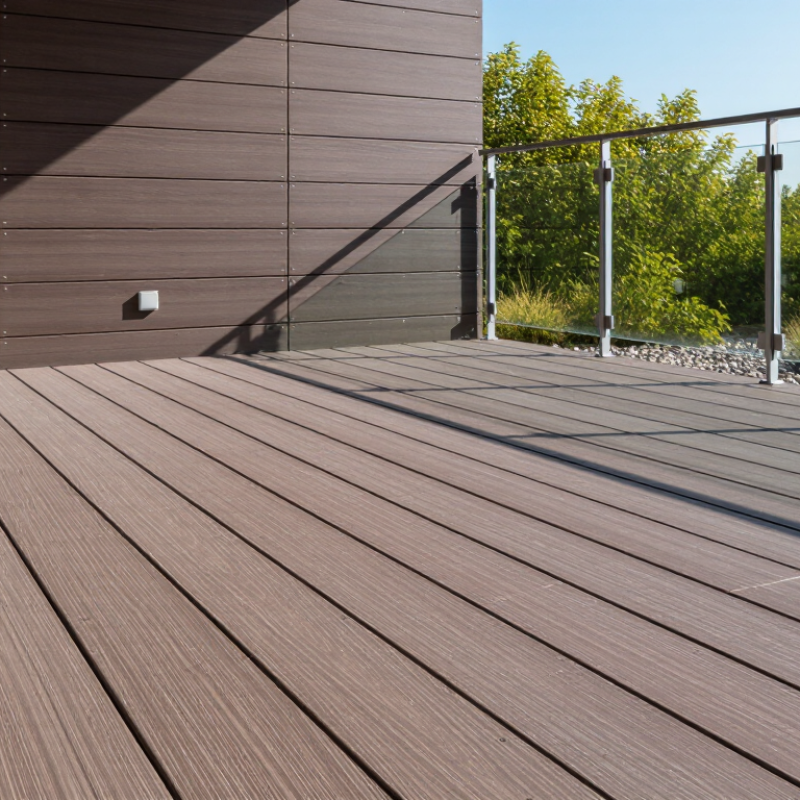
Wood plastic composite (WPC) panels combine wood fibers or flour with thermoplastic resin and performance additives. The wood gives them a textured appearance; the polymer binds the material and helps resist moisture. That mix matters. Formulas differ, so two panels can look similar but respond differently to heat, sunlight, and damp conditions.
Grand View Research estimated the global WPC market at USD 7.12 billion in 2023 and forecast 11.4% annual growth from 2024 to 2030. This market figure signals wider use, not guaranteed panel quality. In homes, a Wood Plastic Composite Wall Panel may suit sheltered exterior cladding or interior feature walls. Check the product’s intended exposure, fixing method, expansion gap, and cleaning instructions. A sunny wall can heat up more than expected.
For a grounded comparison, ASTM D7032 covers performance requirements for Wpc Decking and guardrail systems, not wall panels. Do not treat deck ratings as wall-panel approval. Look for panel-specific test results, installation details, and warranty limits. A wood-like finish is appealing, but it can fade or scratch. Worth checking in person. A small sample beside a window may reveal more than a polished brochure.
Before choosing composite panels, map the conditions at the actual installation site. A shaded garden deck stays damp longer than an open, breezy balcony. Start with exposure. Note how many hours of direct sun the surface receives, where rain collects, and whether sprinklers regularly soak the edges.
Water finds edges.
Check nearby soil and drainage, too; standing water can stress supports even when the panel surface appears sound.
Temperature changes matter as well. Dark panels in full sun may become uncomfortable underfoot, while repeated heating and cooling can cause movement. Leave room for the expansion gaps specified by the manufacturer, and confirm the substructure allows airflow. For a Wood Panel For Deck project near a pool or coastal area, look for documented resistance to moisture, surface staining, and corrosion of compatible fixings.
These details are easy to overlook. I would also test a sample outside for several days, then inspect its color and texture after rain and direct sunlight. That small trial cannot predict years of wear, but it can reveal whether the finish feels slippery when wet or becomes hotter than expected.
Consider foot traffic, furniture legs, and grit tracked in from paths; abrasion often appears first in busy routes.
Choosing a panel starts with its material blend. Wood fibers or flour add a natural look, while polymer content affects moisture response and flexibility. Additives and manufacturing methods also change surface hardness, color consistency, and weight. Compare product data rather than assuming every Wpc Panel behaves alike. A sample can reveal texture, but it cannot show how the panel performs across a whole ceiling.
The core matters. Solid panels feel substantial and may need stronger support; hollow panels weigh less, but their internal webs and fixing points deserve inspection. Foamed cores can reduce weight, though density and edge strength vary. Check the cut edge. It matters. Look for even walls, clean joins, and a tongue-and-groove profile that closes without force. For Wood Plastic Composite Ceiling installations, confirm the recommended spacing, fasteners, and room conditions with the installation guide. A bright showroom sample may hide seams or color shifts under ordinary room lighting. I would not choose by appearance alone; that seems obvious, yet it is an easy mistake. Compare two or three samples beside a window, and inspect their edges before deciding.
| Panel Type | Typical Materials | Core and Construction | Moisture and Weather Considerations | Strength and Installation | Best Suited For | Main Trade-Off |
|---|---|---|---|---|---|---|
| Solid, uncapped WPC | Wood flour or fibers blended with a thermoplastic such as HDPE, PP, or PVC, plus processing additives. | Solid or nearly solid composite profile, commonly made by extrusion; no separate protective outer layer. | Generally resists rot and moisture better than untreated wood, but water can still enter through cut ends, fastener holes, or damaged surfaces. UV exposure may cause fading. | Typically heavier than hollow profiles. Use compatible fasteners and allow for product-specific thermal movement; follow the manufacturer’s spacing guidance. | Decking, fencing, and exterior trim where a substantial profile is desired. | Often heavier and may cost more in material than hollow construction; surface color can weather over time. |
| Hollow-core WPC | Usually a wood-fiber or wood-flour and thermoplastic composite, with formulation varying by product. | Extruded panel or profile with longitudinal cavities, ribs, or webs to reduce material use and weight. | Composite material is moisture-resistant, but open or poorly sealed cavities can collect water or debris. End caps and drainage details may be needed outdoors. | Lighter than a comparable solid profile, but support spacing and fastening locations matter. Avoid placing loads where the profile has insufficient backing. | Decking, screens, cladding, and other applications where lower weight is useful. | Less material does not automatically mean adequate load capacity; performance depends on wall thickness, web design, and support spacing. |
| Foamed-core WPC | Wood-plastic composite formulation with a foaming process or foaming additive. | Cellular or foamed interior, often with a denser outer skin formed during extrusion. | Can offer good resistance to decay, but water resistance and edge durability depend on the resin, skin, and detailing. | Often lighter than a solid profile. Confirm screw-holding capacity, allowable spans, and approved fastening methods for the exact product. | Cladding, trim, and decorative exterior components where reduced weight is helpful. | Lower weight may come with different stiffness and fastener performance; do not assume it is suitable for structural use. |
| Co-extruded, capped WPC | Composite core with a separately formulated polymer-rich cap, commonly applied around some or all exposed faces. | Multi-layer construction: a WPC core plus a protective outer layer bonded during extrusion. | The cap can improve resistance to staining, moisture uptake, and UV-related surface change, but joints, cut edges, and damaged areas still require proper detailing. | Installation requirements vary by profile. Use specified clips or fasteners and leave expansion gaps as directed for the product and climate. | Exterior decking and cladding where surface protection and easier cleaning are priorities. | Usually costs more than comparable uncapped products; the cap does not make the panel waterproof or maintenance-free. |
| WPC-faced panel on a sheet core | Decorative WPC surface or skin bonded to a panel core; the core may be wood-based or another engineered board. | Layered sheet construction rather than a single homogeneous composite. Edge treatment and adhesive system are important. | Suitability for damp or exterior locations depends heavily on the core, adhesive, sealed edges, and panel specification. Many interior panels are not intended for prolonged weather exposure. | Can provide a broad, flat surface, but cut edges and fixing points may need sealing or reinforcement. Follow the stated span and fixing limits. | Interior wall panels, cabinetry, and decorative applications when the panel is specifically rated for the environment. | Exposed or poorly sealed edges can be a weak point; verify that the complete panel, not just its facing, is suitable for the intended location. |
Selection note: These are general comparisons, not guaranteed product specifications. Before purchase, check the panel’s technical data for resin type, dimensions, load or span ratings, expansion allowance, fire classification, UV or weather testing, and approved installation details. WPC panels are not automatically structural, waterproof, or fire-rated.
When comparing Wood And Plastic Composite panels, ask how they perform in conditions similar to your project. A sunny deck, a shaded balcony, and a damp garden path place different demands on the same material. Check the manufacturer’s test data for water absorption, dimensional change, impact resistance, and slip performance. Look for results tied to a named test method, not only phrases such as “weatherproof” or “long lasting.” Details matter. A sample left outdoors for a few weeks may reveal fading or surface changes, but it cannot replace documented testing.
Safety claims deserve equal scrutiny. For indoor use, request emissions information and confirm which test method supports it. For stairs or wet areas, review slip data and installation guidance; texture alone is not proof of safe footing. Fire performance also depends on the product and assembly, so seek test documentation relevant to the intended application. Avoid assuming every panel behaves alike. Composition and surface coatings can vary.
Environmental claims need specific evidence. Ask what share of the panel comes from recycled material, whether the figure applies to the whole product, and how it was verified. An environmental product declaration can help compare impacts, but only when its scope and assumptions are similar. I would also check whether the panel can be repaired or recycled locally. That answer is often less tidy than the brochure suggests, and it can change the real value of a “green” claim.
Safety check: ASTM E84 flame-spread classifications are Class A (0–25), Class B (26–75), and Class C (76–200). The chart plots each class’s upper limit; a lower flame-spread index is generally preferable. These are classification thresholds, not performance data for a particular panel. Ask for the exact product’s test report, and evaluate durability and environmental claims separately using relevant test results and substantiation.
Before comparing prices, confirm that the panel’s test reports match its intended use. A decking report may not cover façade or fencing performance. Ask which standard and edition were used, and request the full report, not only a sales sheet. Check details such as water absorption, bending strength, slip resistance, and fire performance where relevant. Requirements vary by location and application. Look closely.
Read the warranty line by line. Note its term, covered defects, and any limits tied to fading, moisture, or structural performance. Confirm whether installation must follow specific spacing, fastening, or ventilation instructions. Keep receipts and installation records; a claim may depend on them. A long warranty sounds reassuring, but exclusions can narrow it considerably. That part is easy to miss.
Supplier details deserve the same scrutiny as the panel itself. Ask for the product’s material composition, care instructions, batch identification, and written installation guidance. Request a sample and inspect its edges, surface consistency, and color in daylight. Ask who handles technical questions after delivery and how replacement parts are sourced. Documents can look polished while real batches vary slightly, so I would compare samples with the delivered panels before installation. That extra check takes time, but can prevent an expensive mismatch.
Choosing wood plastic composite panels in 2026 starts with the job, not the color. For a small balcony, lighter panels may be easier to carry and cut. A larger deck may need thicker boards and closer attention to support spacing. Compare the full installed cost: panel price, fasteners, framing, cutting tools, and waste. Low-cost panels can stretch a budget, but only if their installation requirements suit your existing structure. Measure twice. It saves headaches.
Tips: Check the manufacturer’s installation guide before buying. Confirm the required joist spacing, expansion gaps, and compatible fasteners. Ask for a sample and inspect its surface in daylight; a textured finish can feel different underfoot than it looks in a photo. Leave room in your budget for offcuts. They happen.
If you are installing the panels yourself, choose a system with clear instructions and manageable board lengths. Some products need specialized clips or careful spacing, which can add time even when the panels cost less. For a contractor-installed project, ask for an itemized quote and clarify who handles trimming and disposal. Also consider sun exposure, drainage, and how often the area will be used. I would not treat a single durability claim as a guarantee; check the product documentation and match it to your site. A slightly imperfect plan is common, but a measured one is easier to adjust.
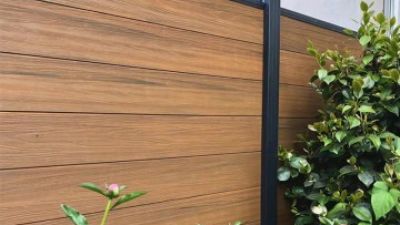
For gardens, pools, and villas, weather-resistant fencing must handle rain, humidity, sun exposure, and everyday wear without demanding constant upkeep. NOAA’s *2023 Annual Climate Report* recorded 2023 as the warmest year in its global record, underscoring the value of choosing materials suited to outdoor conditions. WPC fencing combines 30% HDPE, 60% natural wood powder, and 10% functional additives to offer a waterproof, rot-resistant alternative to conventional timber. With proper installation and care, this fence is designed for an outdoor service life of around 10–15 years. Its pest-resistant properties can also help protect gardens, while a powder-coated metal frame adds structural support.
Practical details matter around pools and in busy outdoor spaces. The fence is designed for straightforward assembly, and its range of finishes—including coffee, silver grey, graphite, teak, and maple—can complement different landscape styles. For poolside use, check that the planned layout allows suitable drainage and that the selected components meet the needs of the site. The OECD’s *Global Plastics Outlook* (2022) reports that only 9% of plastic waste was recycled globally in 2019, making durability and responsible material choices important considerations. Buyers seeking a greener option can ask about the HDPE’s source and recycled content, then select a customized fence configuration suited to their garden, pool, or villa.
They combine wood fibers or flour with thermoplastic resin and performance additives. The wood adds texture; the polymer helps resist moisture.
They may suit sheltered exterior walls or interior feature walls. Check the product’s intended exposure before choosing. A sunny wall can get hot.
No. Formulas and coatings vary, so similar-looking panels may react differently to heat, sunlight, and damp conditions. Details matter.
Request test results for water absorption, dimensional change, and impact resistance. Match the evidence to your site. A short outdoor sample check can reveal changes, but it is not a substitute for testing.
Not necessarily. Decking standards do not automatically approve panels for walls. Look for panel-specific tests and installation guidance.
Review joist or support spacing, expansion gaps, fasteners, and drainage. Measure twice. Leave room for offcuts; they happen.
Include panels, framing, fasteners, tools, trimming, and waste. A lower panel price may not mean a cheaper installation. Ask for an itemized quote.
For indoor use, ask for emissions test information. For stairs or wet areas, check slip data and installation instructions. Ask what share is recycled and whether the panel can be recycled locally; that answer can be less tidy than a brochure suggests.
Choosing a Wood Plastic Composite Panel in 2026 starts with understanding where and how it will be used. Consider whether the panel is intended for indoor or outdoor applications, and assess the conditions it must withstand, such as moisture, sunlight, temperature changes, impact, and regular cleaning. Compare the available materials, core designs, surface finishes, and construction methods to find an option suited to the project’s appearance and performance needs.
Look beyond product descriptions when evaluating durability, safety, and environmental claims. Check relevant standards, warranty terms, installation guidance, and the supplier’s ability to provide clear product information. Finally, balance these details with your budget, maintenance expectations, and installation requirements. A well-matched panel is not necessarily the most expensive one; it is the option whose construction, verified performance, and practical features fit the intended setting and long-term use.