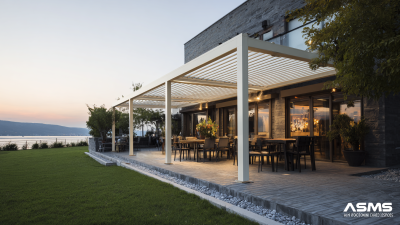
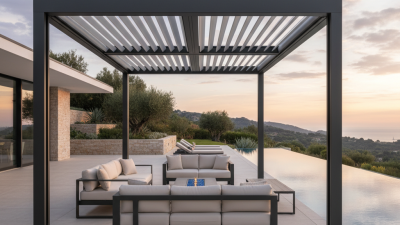
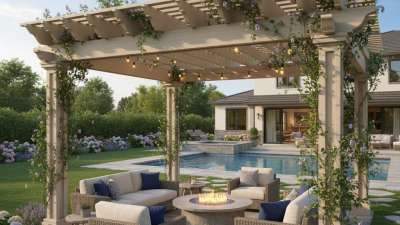
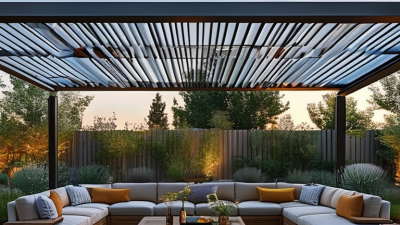
Picking an Aluminum Pergola With Canopy can totally change how a patio feels—especially on those glaringly bright afternoons or when a little rain rolls through. But the best model isn't just about looks. You've also got to think about frame thickness, canopy fabric, drainage, how it's installed, and what kind of warranty support comes with it.
This guide looks at seven practical options for different buyers and outdoor spaces. Some are great for compact balconies. Others can cover dining areas, hot tubs, or wide garden patios. We're talking aluminum grades, powder-coated finishes, adjustable louvers, retractable fabrics, and anchoring systems. These details shape stability, comfort, maintenance, and whether the thing actually holds up over time.
Looks can fool you, though.
A solid Pergola Should feel steady when the canopy shifts in the wind. The posts should line up cleanly, and water needs a sensible way to drain away. Before going with a lightweight structure, check your local weather too. Snow loads and strong coastal winds might mean you need professional advice or a reinforced install.
Our comparison leans on useful evidence, not just pretty product photos. We check assembly instructions, user feedback, material descriptions, and after-sales policies. That said, no review can predict every backyard. Ground conditions vary, and installation quality often changes the final result. It's an easy thing to underestimate. With those limits in mind, the seven Aluminum Pergola With Canopy options below should give careful buyers a clearer place to start.
What Is an Aluminum Pergola With Canopy?
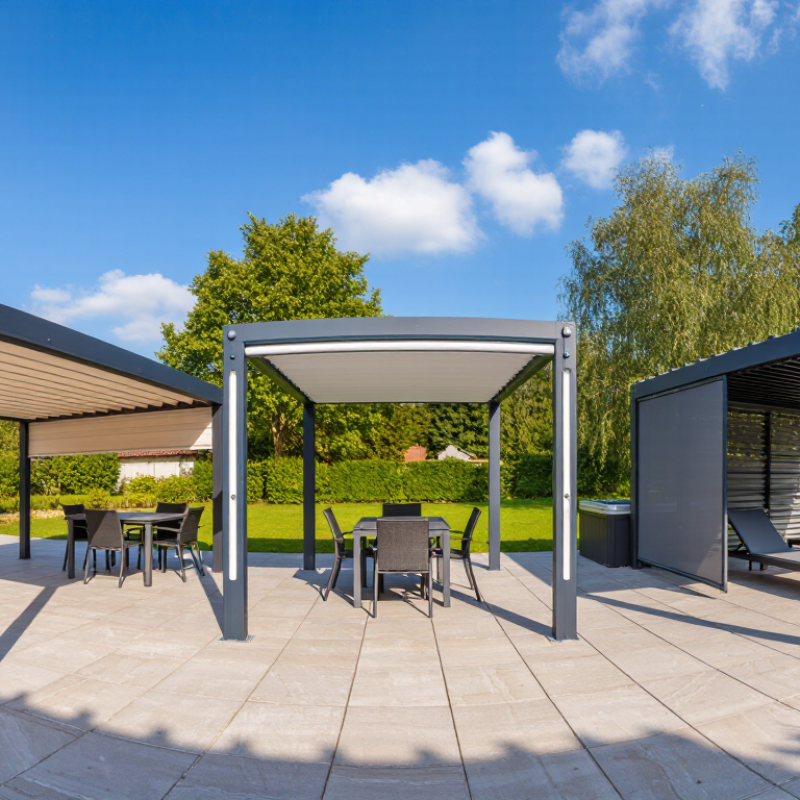
An aluminum pergola with canopy is an outdoor shade structure with a rigid metal frame and a movable roof covering. Its posts support horizontal beams, while the canopy controls sunlight, light rain, and outdoor privacy. Unlike a fixed gazebo, it usually keeps the sides open. Air can move through the seating area.
An Aluminum Pergola With Retractable Canopy may use fabric panels, sliding louvers, or folding sections. Manual systems are simple. Motorized systems offer easier daily adjustment. In practice, drainage design matters as much as appearance. Water should flow away from furniture, doors, and electrical connections. Check the manufacturer’s wind rating, anchoring method, coating quality, and local permit requirements before buying.
The Aluminum Association reports that nearly 75% of all aluminum ever produced remains in use. That supports aluminum’s long service potential and recyclability. However, durability is not automatic. Thin posts can flex, poor anchors can loosen, and dark surfaces may become hot under direct sun. A canopy is not a complete weatherproof room. It can also collect dirt, pollen, and moisture if cleaning is ignored. I would measure the patio carefully, especially door swings and gutter discharge, before comparing the seven best options. Small mistakes become expensive.
| Option | Canopy Type | Typical Aluminum Size | Canopy Material | Weather Coverage | Adjustability | Typical Price Range | Best For |
|---|---|---|---|---|---|---|---|
| 1. Retractable Fabric Canopy | Sliding or folding fabric roof | 10 × 10 ft to 12 × 20 ft | Solution-dyed polyester or acrylic fabric | Sun protection; light rain when fully extended | Manual or motorized; partially or fully open | Approximately $1,500–$5,000 | Flexible shade and outdoor dining areas |
| 2. Motorized Louvered Roof | Rotating aluminum louvers | 10 × 10 ft to 16 × 20 ft | Powder-coated aluminum slats | Adjustable sun coverage and rain protection when closed | Remote-controlled or wall-controlled angle adjustment | Approximately $4,000–$15,000 | Year-round outdoor rooms and premium patios |
| 3. Fixed Polycarbonate Canopy | Permanent solid roof panel | 8 × 10 ft to 12 × 24 ft | UV-protected polycarbonate sheets | Strong rain protection and filtered sunlight | Not adjustable after installation | Approximately $2,500–$8,000 | Permanent shade with natural daylight |
| 4. Waterproof Pvc Canopy | Tensioned or retractable membrane | 10 × 10 ft to 12 × 16 ft | Coated PVC or polyester-PVC fabric | High rain protection; moderate wind suitability | Retractable on selected designs | Approximately $1,800–$6,000 | Rain-prone areas and covered seating |
| 5. Insulated Roof Panel | Rigid sandwich-panel canopy | 10 × 12 ft to 16 × 24 ft | Aluminum-faced panels with foam insulation core | Excellent rain, sun, and heat reduction | Fixed; optional integrated drainage | Approximately $4,000–$12,000 | Comfort-focused patios and outdoor kitchens |
| 6. Shade-Sail Canopy | Triangular or rectangular tension shade | 10 × 10 ft to 16 × 20 ft | HDPE shade fabric or outdoor polyester | Excellent UV reduction; limited rain protection | Removable and tension-adjustable | Approximately $800–$3,500 | Low-cost, modern, and seasonal shade |
| 7. Roll-Top Aluminum Canopy | Retractable interlocking roof slats | 10 × 10 ft to 13 × 19 ft | Interlocking or rolling aluminum panels | High sun and rain protection when closed | Manual crank or motorized opening system | Approximately $5,000–$16,000 | Durable, adjustable roofing with a solid appearance |
Note: Dimensions and prices are typical residential-market ranges in the United States. Final costs vary according to size, installation, anchoring, drainage, motorization, local building requirements, and wind or snow-load specifications.
Choosing among Aluminum Pergola Canopy options requires more than comparing appearance and price. Start with the aluminum frame. Check its thickness, connection points, and corrosion-resistant finish. A rigid frame should feel stable when lightly pushed. Thin sections may flex in strong weather. This detail is easy to overlook.
Study the canopy mechanism carefully. Retractable fabric offers adjustable shade, while louvered panels provide stronger control over sunlight and rain. Look for UV-resistant fabric, sealed bearings, and smooth manual or motorized movement. Drainage channels should guide water away from seating areas. Small design flaws can create puddles beside the posts. Not every attractive canopy performs well.
Dimensions matter, but so does installation. Measure the patio, door swing, and nearby trees before ordering. Confirm the required post anchors and the surface conditions. Concrete usually provides more dependable support than loose paving stones. Review the product’s wind and snow ratings against local conditions, using official specifications rather than sales language. A clear warranty, replacement-part policy, and accessible assembly instructions also indicate stronger reliability. I would compare at least three models under the same criteria. My own preference can be wrong, especially when climate and maintenance habits differ. Choose the option that matches your exposure, not merely your outdoor style.
Aluminum pergolas with canopiesnow serve different outdoor spaces, not just large patios. Grand View Research valued the global Outdoor Furniture market at about$20.28 billion in 2023, showing strong interest in usable exterior rooms. The right canopy style matters more than decorative detail.
For open terraces, a retractable fabric canopy offers adjustable shade and a lighter appearance. A fixed waterproof canopy suits dining areas that need reliable rain protection.
Louvered roofs provide flexible sunlight control, although moving parts require regular inspection. Wall-mounted pergolas work well on narrow balconies and small courtyards.
Freestanding structures create a separate seating zone beside a pool or garden. Roll-back fabric systems feel casual and practical for seasonal use.
Compact pergolas fit balconies, but their posts need careful anchoring.
Measure the space first.
Poor sizing is common. A canopy extending too far can block windows and reduce airflow. The U.S. Department of Energy identifies exterior shading as an effective way to limit solar heat gain, especially around sun-facing windows. However, a pergola is not automatically energy efficient. Orientation, fabric density, ventilation, and local weather all affect performance.
The 2024 Houzz & Home Study also reported continued homeowner investment in outdoor improvements, reinforcing demand for more comfortable exterior living areas. In coastal or windy locations, prioritize corrosion-resistant aluminum, reinforced joints, and tested drainage paths. I would avoid choosing a style from photographs alone. Fabric colors may fade, and rain can expose weak construction quickly. Check load ratings and installation guidance before buying.
When comparing aluminum pergolas with canopies, inspect the frame before judging its appearance. I check the post thickness, beam depth, and connection points. These parts reveal how the structure may handle wind and repeated movement. Reinforced corners matter because weak joints often twist before the main beams bend. Look for stainless or corrosion-resistant fasteners. Loose hardware becomes a serious problem after seasonal storms.
A reliable Canopy Aluminum design should provide documented load and wind ratings. Ask whether those ratings apply to the complete structure, not only the frame. Posts anchored into concrete usually feel steadier than surface-mounted posts on thin decking. Check the installation guide for anchor spacing and foundation depth. Small details make a difference. I also examine drainage paths, because trapped water can stain surfaces and weaken fittings over time.
Weather resistance involves more than a water-repellent canopy. Powder-coated aluminum should have an even finish without bubbles, bare edges, or cloudy patches. The canopy fabric should resist ultraviolet exposure, mildew, and repeated wetting. I once overlooked a shallow roof pitch, and water collected near one corner after rain. That mistake was avoidable. Buyers should test how easily the canopy opens, drains, and secures before purchasing. A sample swatch helps, but real hardware deserves closer attention.
Choosing among the seven best aluminum pergola with canopy options requires more than checking appearance. The canopy material controls shade, weather resistance, and maintenance. Powder-coated aluminum panels provide firm coverage and resist moisture. They also create a warmer feel beneath the structure. Acrylic fabric usually offers softer light and better airflow. However, its color may fade after years of intense sunlight. PVC-coated polyester handles occasional rain well, but it can feel less natural.
Coverage deserves careful measurement. A full canopy can shade furniture throughout the day, while a partial canopy suits areas needing changing sunlight. Measure the seating zone, not only the frame. A small uncovered edge can expose chairs to afternoon glare.
Look for reinforced seams, water-shedding slopes, and drainage paths. Some canopies claim weather protection but still allow water through stitching. That detail is easy to miss.
Adjustment options affect daily comfort. Retractable fabric lets you open the sky on cool evenings. Sliding panels provide controlled shade without complicated hardware. Manual systems usually cost less and remain usable during power interruptions. Motorized systems offer smoother control, but installation quality matters greatly. Test the handle, tracks, or remote response before buying. A stiff track becomes annoying quickly. Check the adjustment range, locking points, and replacement-fabric availability. I would also inspect the frame finish closely; minor coating damage can become a maintenance concern near salty air.
An aluminum pergola with a canopy is light, but installation is not casual. An Aluminum Canopy Carport needs a level base, verified drainage, and anchors matched to local soil. Before drilling, check municipal setback, height, snow, and wind-load rules. ASCE 7-22 treats wind and snow as design loads, not optional details. That matters near coasts and open fields. Measure twice. Concrete footings should cure fully before posts carry roof loads. In my experience, rushed anchoring causes more trouble than the aluminum itself.
Canopy fabric also needs enough clearance to move without rubbing against frame edges. Installers should seal exposed cut edges and isolate aluminum from dissimilar metals, especially treated timber and some steel fasteners. The Aluminum Association reports that nearly 75% of aluminum ever produced remains in use, reflecting strong durability and recyclability. However, durability is not maintenance-free. Inspect bolts, brackets, drainage paths, and fabric tension every season. A loose fastener can become a noisy, enlarged hole after repeated wind movement.
Use mild soap, clean water, and a soft brush for routine washing. Avoid abrasive pads and harsh chlorine cleaners. Coastal owners should rinse salt deposits more often, perhaps monthly during windy seasons. Check powder-coated surfaces for scratches before corrosion spreads beneath the finish. One practical weakness deserves attention: canopy fabrics often age faster than the frame. Replacement measurements should be recorded during installation, because guessing later can create poor tension and water pockets. Local load conditions still matter more than catalog appearance.
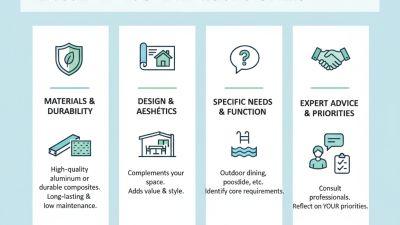
Choosing among the seven best aluminum pergola with canopy options starts with your space, climate, and spending limit. A compact wall-mounted model suits small patios and costs less to install. Freestanding designs offer flexible placement but may need deeper footings. Fixed-louver roofs provide steady shade, while retractable fabric canopies offer a lighter, more adjustable solution.
For frequent rain or strong sunlight, consider motorized louver systems, rain-ready canopies, or screened designs. Check the frame thickness, drainage channels, powder coating, and hardware quality. Aluminum should resist rust, but thin sections can flex in heavy wind. Ask for wind ratings and installation requirements. Measurements matter. A pergola that looks balanced online may overwhelm a narrow terrace.
Tips: Set a complete budget, including delivery, anchoring, electrical work, and maintenance. Leave enough clearance for doors, lights, and nearby trees. Test the canopy movement before accepting installation. Also, compare warranty terms carefully; coverage may differ for fabric, motors, and structural parts. I would avoid choosing only by appearance. Dark finishes can become hot, and complex mechanisms may need more repairs than expected. Sometimes, a simpler manual canopy is the wiser purchase. Think about your actual habits, not the patio you imagine using every day.
Check frame thickness, joint quality, and corrosion-resistant finish. Push it lightly. It should feel stable, not springy. Thin sections may flex during strong weather.
Retractable fabric provides adjustable shade. Louvered panels control sunlight and rain more precisely. Moving parts need regular inspection. Simple is not always better.
Look for clear drainage channels and sealed connections. Water should move away from seats and posts. Small flaws can create puddles quickly.
Measure the patio, door swing, windows, trees, and walking paths. An oversized canopy may block airflow or nearby windows. Measure twice.
Confirm post anchors and inspect the supporting surface. Concrete usually offers firmer support than loose paving stones. Compact balconies need especially careful anchoring.
Compare tested wind and snow ratings with local conditions. Coastal areas need corrosion-resistant aluminum and reinforced joints. Sales language is not enough.
Retractable fabric suits open terraces and seasonal use. Fixed waterproof covers suit dining areas needing steady rain protection. Wall-mounted designs fit narrow balconies. Freestanding structures create separate garden or pool seating.
Choose UV-resistant fabric, sealed bearings, and smooth movement. Check whether replacement parts are available. Fabric colors may fade. That detail is easy to miss.
Not automatically. Orientation, fabric density, ventilation, and local weather affect solar heat reduction. Exterior shading can help near sunny windows, but results vary.
Check warranty terms, replacement parts, assembly instructions, and maintenance needs. Compare at least three models using identical criteria. Photos can mislead. My preferred style may perform poorly in your climate.
Choosing the right Aluminum Pergola With Canopy can transform an outdoor area into a comfortable, shaded living space. This guide reviews seven practical options by explaining how aluminum frames provide durability, low maintenance, and resistance to common weather conditions. It also compares important features such as frame construction, roof design, canopy style, coverage area, adjustable panels, retractable fabric, and ventilation. Different layouts are considered for patios, decks, gardens, balconies, and larger entertaining areas.
Before buying, readers will learn how to evaluate frame strength, anchoring requirements, drainage, wind and rain resistance, and the quality of canopy materials. The guide also covers installation planning, surface preparation, routine cleaning, fabric care, and long-term maintenance. Finally, it explains how to match size, features, appearance, and installation needs with a realistic budget, helping buyers select a pergola that offers reliable outdoor comfort and lasting value.