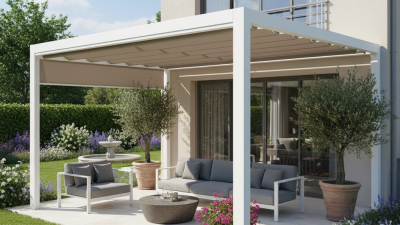
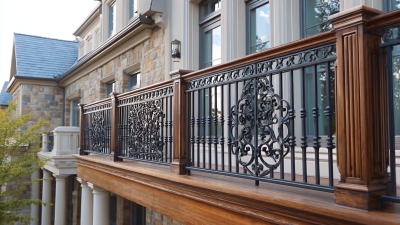
Picking the best Louvre Roof in 2026 isn’t just about comparing photos or advertised prices. If you’re buying globally, you’ve got to think about climate, building structure, drainage, ventilation, and how installation works locally. A roof that’s great in Australia might need very different specs in Canada or the UAE. Honestly, real performance comes down to the details.
This guide looks at popular Louvre Roof types for homes, hospitality, and commercial projects. We cover adjustable aluminium louvres, motorised systems, fixed slatted roofs, and hybrid designs with screens or glass panels. Each has practical strengths. Adjustable systems give you control over sunlight and airflow; fixed designs can mean simpler maintenance. Don’t overlook material thickness, powder coating quality, wind resistance, water management, or motor reliability either.
And yes, look beyond the showroom.
From project experience, small choices often shape long-term satisfaction. Put the roof in the wrong spot and you can get heat buildup, annoying glare, or rain where you don’t want it. So ask established suppliers for technical drawings, warranty terms, installation records, and maintenance guidance. Independent engineering advice can add confidence, especially for large or exposed structures. That said, no ranking is perfect. Product availability, regional workmanship, and shifting energy standards can change the final call. Some premium systems look great but don’t offer much value in mild climates. This article is a practical comparison, not a one-size-fits-all answer. The best decision blends verified specs, a realistic site check, and honest thought about future repairs.
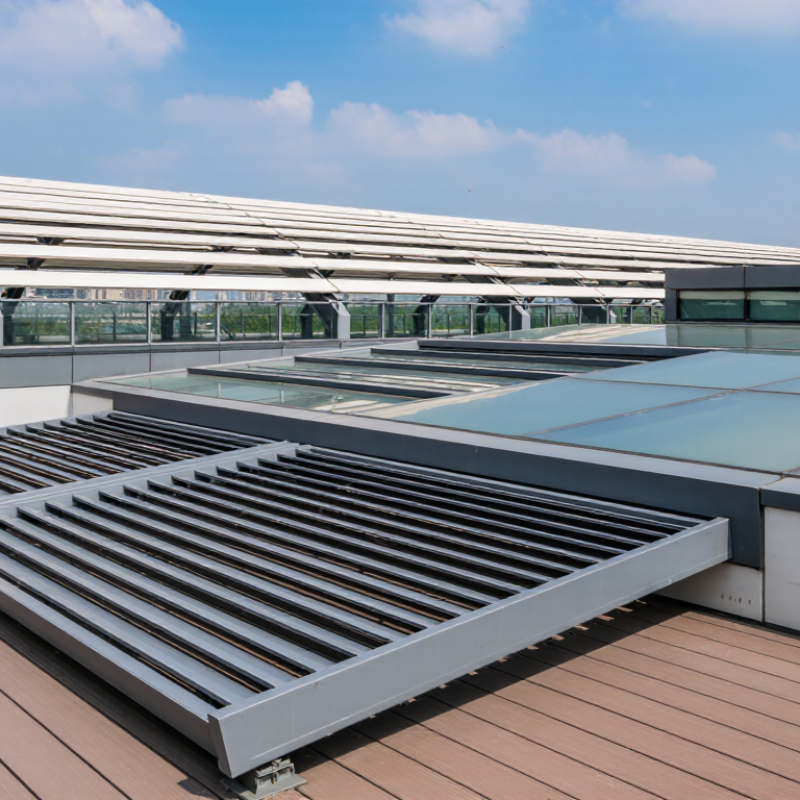
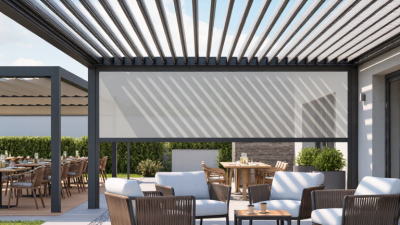
A louvre roof systemis an adjustable outDoor Covering with rotating blades. These blades open for sunlight and close during rain or strong heat. The system helps control shade, airflow, and outdoor comfort with simple mechanical movement. APergola Louvre Roof can extend a terrace, balcony, garden room, or commercial dining area. It creates a more usable space without building a fully enclosed room.
For global buyers, climate should guide the selection. In hot regions, angled blades can reduce direct solar exposure and improve ventilation. In rainy areas, integrated drainage channels help move water away from furniture and flooring.
Coastal buyers should examine corrosion resistance, fasteners, and maintenance access. Snowy regions need careful attention to structural loading and local engineering requirements. Installation quality matters as much as the roof itself. An uneven frame may cause noise, poor drainage, or difficult blade movement. No system is perfect.
Tips: Measure the opening, drainage path, and nearby walls before ordering. Ask for material specifications, wind guidance, warranty terms, and installation records. Test the blades during different weather conditions if possible. Leave space for cleaning and inspection. A cheaper option can become expensive when repairs are difficult. Also, confirm local planning rules before installation, because requirements differ between regions.
For global buyers in 2026, choosing a Louvre Roof Pergola starts with climate, not appearance. A fixed roof offers consistent shade and fewer moving parts. It suits restaurants, pool terraces, and homes with predictable weather. However, fixed blades cannot respond to changing sunlight or sudden rain. Measure the roof pitch, drainage route, and supporting surface before requesting prices. A beautiful frame fails when water collects beside a doorway. Small details matter.
Adjustable louvres rotate to balance daylight, airflow, and rain protection. In practice, a 20-degree opening can brighten a dining area without harsh glare. Full closure gives stronger shelter, but seals and gutters need regular inspection. This option works well where mornings are cool and afternoons become intense. It also requires a reliable control system and accessible maintenance points. Do not judge quality from blade movement alone. Check joints, fasteners, coatings, and wind-rated documentation. Some sellers explain the design poorly. Ask for test data.
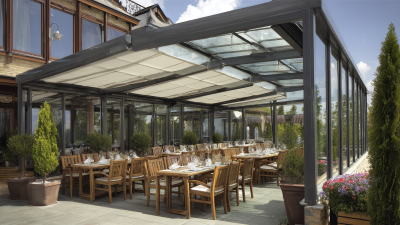
Retractable roofs open the sky completely, creating a more flexible outdoor room. They are useful for residences, hospitality spaces, and regions with short showers. Yet tracks, motors, and panel interfaces add cost and service needs. Salt air, dust, and freezing temperatures can shorten component life. Request local installation experience, spare-part availability, and written cleaning guidance. I would not select the most complex system automatically. My review process changed after simple fixed roofs outperformed advanced systems in low-maintenance projects. Compare comfort, risk, and ten-year upkeep, not only the opening mechanism.
In 2026, global buyers are comparing more than appearance when choosing a Garden Louvre Roof. Material selection should follow the local climate, not only the product photograph. Powder-coated aluminum is widely suitable because it resists moisture, stays lightweight, and requires limited upkeep. In coastal areas, buyers should request corrosion-resistant fasteners and inspect coating quality carefully.
Hot climates need adjustable blades that control glare while allowing ventilation. Pale, matte finishes usually reduce surface heat better than dark gloss finishes. Tropical regions also need effective drainage, sealed joints, and regular checks after heavy rainfall. Small blocked channels can cause surprisingly serious water problems. Not every roof performs equally well.
Cold or windy locations require stronger frames, secure blade mechanisms, and accurate structural calculations. A durable fluoropolymer finish can improve color stability under intense sunlight, but it does not replace proper installation. In dry, dusty regions, smooth finishes are easier to clean. Textured coatings may hide marks, yet they can hold more dust.
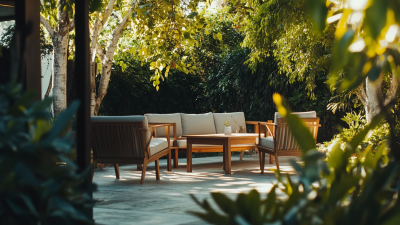
Timber offers warmth, but it needs more maintenance and careful moisture control. Aluminum often provides a more predictable long-term option for international projects. Still, specifications are not perfect. Local wind exposure, snow loads, salt levels, and cleaning habits can change the final choice. Buyers should review samples outdoors before approving the finish. A color that looks calm indoors may appear harsh beneath strong midday sunlight.
Choosing the right louvre roof in 2026 requires more than comparing appearance and price. Global buyers should assess shade, ventilation, drainage, and long-term durability together. Adjustable louvres can block harsh midday sunlight while allowing softer daylight around the edges. This creates cooler outdoor rooms without making them feel closed.
Ventilation depends on blade angle, roof height, and surrounding walls. Open blades release trapped heat, especially above kitchens, patios, and pool areas. Cross-breezes work better when opposite sides remain unobstructed. However, airflow is never guaranteed. A low roof beside a tall wall may still feel warm and stagnant. Site measurements matter more than showroom demonstrations.
Drainage deserves careful attention. Integrated channels should guide rainwater toward downpipes, not onto furniture or walking surfaces. During heavy storms, undersized outlets can cause overflow. That detail is often overlooked. Powder-coated aluminium can resist moisture, while stainless fixings help reduce corrosion in coastal climates. Still, every moving joint needs inspection and cleaning. Dust, leaves, and salt can quietly affect performance.
Durability also depends on installation quality. Strong frames, accurate levels, and secure anchors help the roof withstand changing weather. Buyers should request load information, drainage drawings, material specifications, and maintenance guidance. I have found that the cheapest option is not always economical after repeated repairs. A small design compromise may become obvious after one wet season. The best choice matches local wind, sun, rainfall, and daily use rather than following a universal specification.
Performance comparison of common louvre roof configurations across four practical criteria. Scores use a 0–100 comparative engineering index derived from each system’s typical ability to block solar exposure, promote ventilation, manage rainfall, and resist long-term outdoor wear. Higher scores indicate stronger overall performance; actual results vary with louvre angle, material, drainage design, wind exposure, installation quality, and maintenance.
Choosing the right louvre roof type starts with size, climate, and daily use. A compact 3×3-metre roof can shade a dining area, while larger spans may require reinforced beams and intermediate posts. A larger roof is not automatically better. Measure twice. The International Energy Agency’s 2023 Global Status Report for Buildings and Construction states that building operations represented about 30% of global final energy use in 2022. Adjustable louvres can support daylight control and natural ventilation, but they cannot replace proper insulation or climate planning.
Design should match local weather, not only appearance. In coastal areas, specify corrosion-resistant materials and sealed drainage channels. In snowy regions, review structural load calculations before ordering Louvre Roof Kits. Wind exposure also matters; open terrain and rooftop locations need stronger connections. ASCE 7 and Eurocode 1 provide recognized methods for evaluating wind and snow actions, although local engineers must confirm the applicable requirements. Rain sensors, manual controls, and motorized systems offer different cost and maintenance profiles. Keep access panels practical.
Installation quality often decides long-term performance. The supporting slab, wall, and foundation must be checked before delivery. Poor alignment can cause Water Pooling, noisy movement, or uneven louvre rotation. International buyers should confirm drawings, fastener specifications, drainage routes, and replacement-part availability. Import schedules can complicate projects, and this is easy to underestimate. I would also question optimistic installation times. A careful site survey may feel slow, yet it prevents expensive corrections after arrival.
| Louvre Roof Type | Typical Module Size | Louvre Blade Design | Common Materials | Recommended Roof Pitch | Weather and Climate Suitability | Opening and Control Method | Installation Factors | Maintenance Considerations | Typical International Applications |
|---|---|---|---|---|---|---|---|---|---|
| Fixed Louvre Roof | Single spans commonly range from 2.0–4.5 m; larger areas usually require intermediate beams or multiple modules. | Stationary slats provide permanent shade while allowing limited airflow. Blade angle is selected according to sun exposure and required privacy. | Powder-coated or anodized aluminium; stainless-steel fasteners; optional steel support frame. | Usually installed with a slight fall of approximately 2–5° to direct rainwater toward the drainage edge. | Suitable for sunny, warm, and moderately wet climates. A fixed roof does not provide adjustable daylight or complete open-sky access. | No moving mechanism; ventilation and daylight are determined by the fixed blade spacing and angle. | Requires accurate structural alignment, secure anchoring, and a clear drainage route. Local wind and snow loads must be checked before specification. | Clean blades and gutters periodically. Inspect coating, joints, fixings, and drainage outlets at least annually. | Walkways, entrances, commercial façades, car parks, balconies, and areas requiring constant solar control. |
| Adjustable Manual Louvre Roof | Typical bays are approximately 2.0–4.0 m wide, depending on the frame, blade span, and operating mechanism. | Rotating blades can be positioned to balance shade, ventilation, and daylight. Blade overlap should be selected for the expected rainfall conditions. | Aluminium blades and frames with corrosion-resistant manual gear, linkage rods, and stainless-steel hardware. | A modest drainage fall of approximately 2–5° is commonly used when the roof is closed. | Works well in residential and light commercial settings where users want seasonal adjustment but do not require automation. | Hand crank, lever, or manual gearbox. Operation is simple but depends on user access and regular adjustment. | Allow clearance for the operating handle or crank. The supporting wall or posts must resist horizontal forces created during operation. | Lubricate moving joints as recommended by the installer. Check blade alignment and tighten accessible hardware. | Patios, small terraces, garden rooms, cafés, and low-rise residential extensions. |
| Motorized Adjustable Louvre Roof | Individual modules are often about 2.5–5.0 m wide; larger structures are divided into multiple motorized zones. | Interlocking rotating blades can be adjusted from open to closed positions for controllable sun, airflow, and rain protection. | Aluminium structure and blades, electric tubular or linear actuators, weather-resistant wiring, and stainless-steel connections. | Usually designed with approximately 2–5° fall to support drainage when the blades are closed. | Suitable for varied climates, including areas with strong sun and seasonal rain. Performance depends on wind, snow, water-tightness, and electrical specifications. | Wall switch, remote control, smart controller, rain sensor, wind sensor, or building-management integration. | Requires compliant electrical work, protected cable routes, drainage planning, access to motors, and commissioning after installation. Voltage and electrical standards differ by country. | Inspect actuators, sensors, seals, wiring, and drainage channels. Remove leaves and debris before wet or winter seasons. | Hotels, restaurants, offices, premium residences, public terraces, and hospitality areas needing flexible operation. |
| Retractable Louvre Roof | Commonly specified as modular systems of approximately 3.0–6.0 m per bay, subject to the rail system and structural design. | Roof panels or louvre sections slide, fold, or retract to create a substantially open roof area when weather permits. | Powder-coated aluminium, reinforced perimeter frames, stainless-steel rollers or tracks, and weather-resistant seals. | Often installed with a controlled fall of approximately 2–5°; track alignment is critical for water discharge and smooth movement. | Provides the greatest flexibility for sun and open-sky use. It may require additional weather seals, gutters, or side screens for heavy rain. | Manual or motorized sliding, folding, or rolling operation. Motorized versions may include wind and rain protection controls. | Needs accurate foundations, level tracks, movement clearances, drainage outlets, and safe access for adjustment and servicing. | Keep tracks clear of dirt and leaves. Check rollers, seals, fasteners, motor limits, and panel alignment regularly. | Restaurants, event venues, hotel courtyards, poolside areas, entertainment spaces, and adaptable outdoor dining areas. |
| Bioclimatic Louvre Pergola | Typical custom bays are approximately 3.0–5.0 m wide; larger roofs are normally divided into independently supported modules. | Rotating aluminium blades are designed to regulate solar gain, airflow, shade, and rainwater collection. Optional side screens improve comfort. | Thermally finished aluminium, concealed gutters, stainless-steel fixings, optional glass, fabric, or zip-screen side panels. | Usually incorporates a built-in fall of approximately 2–5° through the frame and gutter system. | Well suited to mixed seasonal climates. It improves outdoor comfort but should not automatically be treated as a fully enclosed or storm-proof room. | Typically motorized, with remote control, lighting, heating, rain sensors, wind sensors, and optional automation. | Requires coordination of foundations, drainage, electrical supply, wind exposure, snow load, local planning rules, and side-screen clearances. | Clean gutters and blades, test sensors, inspect seals and moving parts, and service electrical components according to local regulations. | Outdoor dining, residential terraces, resorts, rooftops, wellness areas, and year-round hospitality applications. |
| Insulated or Double-Skin Louvre Roof | Usually designed as engineered modular bays of approximately 2.5–4.5 m, with span determined by structural and thermal requirements. | Double-layer or insulated blades reduce heat transfer and may improve rain control, acoustic performance, and indoor-outdoor comfort. | Thermally broken or double-wall aluminium blades, insulated panels where applicable, coated aluminium frames, and stainless-steel hardware. | Commonly designed with approximately 2–5° fall, subject to the drainage and sealing system. | Useful for hot climates, high solar exposure, and projects requiring improved thermal comfort. Condensation and ventilation must be assessed in enclosed applications. | Manual or motorized, depending on blade weight and project requirements. | Needs careful thermal-bridge detailing, condensation assessment, structural calculations, and coordination with insulation and building-envelope systems. | Inspect seals, joints, drainage channels, coatings, and thermal-break components. Keep ventilation paths free from debris. | Climate-conscious residences, glazed extensions, commercial buildings, conservatory-style spaces, and energy-focused developments. |
| Roof-Mounted Louvre System | Module dimensions vary with the host roof; lightweight units are often arranged in bays of approximately 2.0–4.0 m. | Fixed or adjustable blades are installed above an existing roof or terrace to reduce solar gain while preserving ventilation. | Aluminium blades and rails, galvanized or coated steel support components, and corrosion-resistant fixings compatible with the existing roof. | Must follow the existing roof geometry while maintaining adequate drainage and avoiding water traps. | Suitable for retrofits where the original roof remains the primary weatherproof layer. It is not a substitute for repairing an inadequate roof. | Fixed, manual, or motorized depending on access, weight, and control requirements. | Verify roof load capacity, waterproofing, penetration details, edge restraints, maintenance access, and compatibility with local roofing standards. | Inspect roof penetrations, brackets, flashings, blades, and drainage after severe weather and during routine roof maintenance. | Rooftop plant areas, glazed roofs, apartment terraces, schools, offices, and retrofit solar-shading projects. |
| International buyer checklist: The dimensions and performance ranges above are typical planning values rather than universal limits. Final selection should be based on a project-specific structural calculation covering local wind speed, snow load, seismic conditions, corrosion exposure, drainage, anchoring, electrical requirements, accessibility, and applicable building codes. For coastal locations, specify an appropriate corrosion-protection system and confirm the required coating and fastener grades with the project engineer. | |||||||||
2026 Best Louvre Roof Types for Global Buyers?
Buying standards now matter more than visual style.
The 2024 Global Status Report for Buildings and Construction states that buildings consume about 32% of global energy and produce 34% of global emissions. Adjustable louvres can reduce direct solar gain, but performance depends on orientation, controls, and ventilation.
Aluminium blades suit humid locations when powder coating and drainage are properly specified. Fixed louvres cost less, while motorized systems offer better seasonal control. The choice is not always obvious.
Request structural calculations against local wind and snow loads. ASTM E330 testing can verify air pressure performance, while EN 1090 may support fabricated structural quality in relevant markets. Ask for coating thickness, salt-spray results, electrical safety files, and motor protection ratings.
ISO 9001 certification shows process control, not product quality alone. CE documentation may apply in certain markets, but it does not replace local approval.
Check every claim.
Indicative 2026 supply prices often range from 180 to 450 US dollars per square metre, excluding foundations, installation, controls, and taxes.
Complex drainage or coastal finishes can raise costs by 20% or more. Compare at least three suppliers using the same roof size and wind specification. Inspect a working installation, not only photographs.
One overlooked weakness is after-sales service: replacement motors, seals, and control parts may become expensive after five years. Industry reports guide decisions, but site measurements remain decisive.
Measure the usable area, expected shade, and supporting structure. A 3×3-metre roof may cover a small dining area. Larger spans may need reinforced beams and intermediate posts. Bigger is not automatically better. Measure twice.
Match the design to local weather, not appearance alone. Coastal areas need corrosion-resistant materials and sealed drainage channels. Snowy regions require verified structural load calculations. Exposed rooftops may need stronger connections.
No. Adjustable louvres can control sunlight and ventilation. They may reduce direct solar gain. However, they cannot replace insulation, shading strategy, or proper orientation. The result depends on controls and daily use.
Manual controls usually cost less and need fewer components. Motorized systems provide easier seasonal adjustment. Rain sensors can close the louvres automatically. More electronics also mean more maintenance. Keep access panels practical.
Inspect the slab, wall, foundation, and drainage routes before delivery. Confirm drawings and fastener specifications. Poor alignment may cause water pooling or uneven blade movement. It can also create irritating noise.
Request structural calculations for local wind and snow loads. Ask for coating thickness, salt-spray results, electrical safety files, and motor protection ratings. Review relevant testing and fabrication certifications. Certification alone does not prove every product claim.
Indicative supply prices range from 180 to 450 US dollars per square metre. Foundations, installation, controls, and taxes may cost extra. Coastal finishes or complex drainage can increase prices by 20% or more. Compare equal specifications.
Compare at least three suppliers using the same roof size and wind specification. Inspect a working installation, not only photographs. Confirm replacement motors, seals, and control parts. After-sales costs may become significant after five years. I would question optimistic installation promises.
This 2026 guide explains how a Louvre Roof creates adaptable outdoor living space by controlling sunlight, airflow, and rain. It compares fixed, adjustable, and retractable systems, helping global buyers select the right operating style for patios, terraces, commercial areas, and other applications. The guide also reviews aluminum and alternative material options, protective finishes, and climate considerations such as strong sunlight, humidity, wind, snow, and coastal exposure.
Buyers will learn how to evaluate shading, ventilation, drainage, structural durability, dimensions, design integration, and installation requirements. It also highlights the importance of accurate site measurements, local building conditions, qualified installation, and dependable after-sales support. Finally, the guide outlines practical 2026 purchasing considerations, including relevant certifications, performance documentation, total costs, warranty terms, customization, production capability, and supplier evaluation. These points provide a clear framework for choosing a safe, durable, and cost-effective Louvre Roof for different international markets.