
Leave Your Message
As we look ahead to 2026, buyers around the globe will find themselves with an even broader range of louver shading options than ever before. From fixed aluminum blades to adjustable louvers, timber screens, composite panels, and motorized systems — each one’s got its own place depending on what you’re looking for. Choosing the right solution really comes down to factors like the local climate, the orientation of the building’s façade, window sizes, how easy it is to get maintenance done, and of course, your budget. For instance, a coastal hotel might need corrosion-resistant aluminum, while a cozy residential home could prefer the warmer look of timber. It’s all about details, right?
This guide walks you through the main types of louver shading, comparing them based on practical stuff like how they handle solar control, let in daylight, promote ventilation, withstand the wind, and how durable they are. Plus, we look at cleaning needs and how tricky they are to install. We also point out how things like blade angles, spacing, finishes, and control systems influence indoor comfort. A well-thought-out system can even help cut down on glare coming from a west-facing window — small details, but they really make a difference.
Of course, making a confident decision isn’t just about eye-catching product shots. It’s really important to dig into technical datasheets, check out material samples, review warranty info, load specifications, and installation guides. Getting advice from qualified professionals in façade or shading can also give you that extra layer of confidence. But hey, keep in mind, not every product performs the same in all markets. Something that works great in a dry climate might need more maintenance in humid areas. Even the most experienced teams can sometimes misjudge reflected glare or access needs — it’s totally normal to admit that.
In the upcoming sections, we’ll explore the best louver shading options for offices, homes, hotels, schools, and commercial spaces. We’ll talk about where each type shines, where it might fall short, and what questions you should be asking before placing an order. The point isn’t to push a one-size-fits-all answer, but to help you understand the options better, set realistic expectations, and choose solutions that will perform reliably over the long haul.
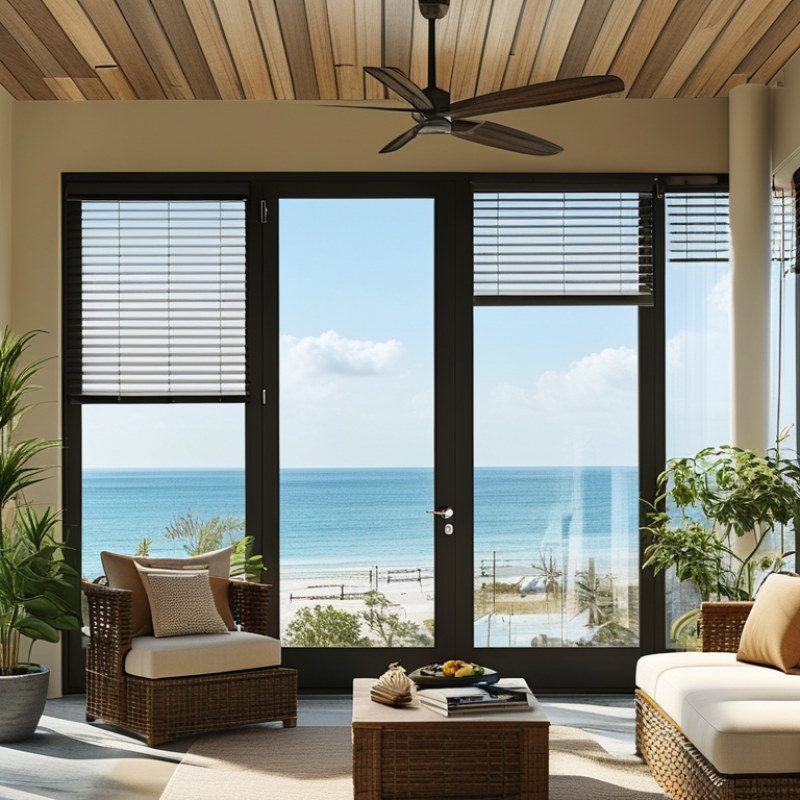
Louver shading is an exterior or interior system made of angled slats. These slats manage sunlight, glare, airflow, and visual privacy. Unlike solid blinds, louvers can block harsh rays while preserving useful daylight. In a real office, well-positioned horizontal louvers can reduce bright patches on desks and computer screens. Vertical louvers often suit tall windows and low-angle morning or afternoon sun. The angle matters greatly.
It matters more in 2026 because buildings face higher energy costs and stronger expectations for comfort. External louvers stop much solar heat before it reaches the glass. This can reduce cooling demand during hot seasons. Interior systems remain useful where exterior installation is impractical, especially in renovated apartments or protected façades. Automated controls can adjust slats during the day, but reliable sensors and simple manual overrides still matter. Technology is not always the answer.
Material choice affects durability, appearance, and maintenance. Powder-coated aluminum handles exposed weather well, while timber offers warmth but needs more careful protection. During project inspections, installers should check drainage, fixing points, wind movement, and access for cleaning. A small alignment error can create uneven shadows or visible glare. No louver system is perfect. Poor orientation, incorrect spacing, or weak installation can reduce its value quickly. Global buyers should compare climate data, window direction, operating habits, and local maintenance skills before selecting a shading type.
| Louver Shading Type | Typical Installation | Primary Solar-Control Method | Daylight Performance | Natural Ventilation | Privacy Level | Typical Projection or Depth | Control Options | Best-Fit Climates and Orientations | Main Advantages | Key Limitations |
|---|---|---|---|---|---|---|---|---|---|---|
| Fixed Horizontal Louvers | Exterior façades, windows, curtain walls, and balconies | Blocks high-angle sun while allowing lower-angle daylight to enter | Good on south-facing façades | High; open spacing does not obstruct airflow | Low to medium | Approximately 300–900 mm, depending on window height and latitude | Manual adjustment is generally not available | Warm climates and façades receiving strong overhead sunlight | Simple construction, low maintenance, durable exterior performance, and predictable shading | Less effective against low morning and afternoon sun; fixed geometry requires careful orientation design |
| Fixed Vertical Fins | East- and west-facing windows, corners, and narrow façade zones | Reduces low-angle solar exposure from morning and afternoon sun | Good when aligned with solar direction | High to medium | Medium to high | Approximately 150–600 mm from the façade | Usually fixed; can be combined with movable panels | Low-latitude and tropical buildings with intense east or west exposure | Effective glare reduction, improved visual privacy, and strong architectural definition | May reduce outward views and can be less effective on façades dominated by high-angle sun |
| Adjustable External Louvers | Windows, skylights, atriums, and glazed façades | Blade angle changes to follow seasonal and daily sun conditions | Very good with correct control settings | High when blades are partially open | Medium to high | Commonly 250–750 mm, depending on blade size and sun angles | Manual, crank-operated, or motorized | Mixed climates and façades with changing solar conditions | Flexible solar control, improved glare management, and better daylight preservation than many fixed systems | Higher cost, more moving parts, and greater maintenance requirements |
| Motorized Dynamic Louvers | High-performance offices, hospitals, schools, hotels, and large glazed façades | Automated blade positioning responds to sun position, glare, temperature, and occupancy | Very high when properly commissioned | High; ventilation depends on the façade and window design | High when closed or angled | Approximately 250–800 mm for external applications | Sun sensors, daylight sensors, building controls, schedules, and manual override | Buildings with large glazed areas and high cooling or glare loads | Responsive performance, measurable energy-management potential, and improved occupant comfort | Higher capital cost, commissioning needs, controls integration, and dependence on reliable power |
| Sliding or Folding Louver Screens | Balconies, terraces, residential façades, and semi-outdoor spaces | Movable Screen Coverage controls direct sun and views | Good and user-adjustable | High when panels are open or partially folded | High | Panel depth commonly 40–150 mm; track projection varies by system | Manual sliding, folding, or motorized movement | Residential and hospitality projects requiring flexible privacy and shading | Combines shading, privacy, ventilation, and façade design flexibility | Requires clear operating space, durable hardware, and protection against wind-driven movement |
| Perforated Louver Panels | Exterior screens, car parks, plant rooms, service areas, and privacy façades | Filters sunlight through a perforated or patterned surface | Medium, depending on open-area percentage | Medium to high | High | Approximately 50–250 mm from the supporting frame | Usually fixed; selected systems can be hinged or sliding | Projects needing privacy, visual screening, and robust solar filtering | Strong visual screening, reduced glare, good airflow, and broad design options | Can reduce daylight and external views more than open-blade systems |
| Interior Venetian-Style Louvers | Interior windows, meeting rooms, residential spaces, and glare-sensitive work areas | Controls daylight and glare after solar radiation passes through the glass | Good for glare control; weaker for heat reduction | Not applicable to exterior ventilation | Medium to high | Blade width commonly 16–50 mm | Manual tilt, cord control, chain control, or motorized operation | Cold or mixed climates where interior glare control is the main concern | Easy access, convenient adjustment, low façade impact, and useful privacy control | Less effective than exterior shading for preventing solar heat gain because sunlight enters the glazing first |
| Rooflight and Skylight Louvers | Skylights, atriums, roof monitors, and glazed overhead spaces | Reduces direct overhead solar gain while preserving diffuse daylight | Good to very good when correctly angled | Depends on the roof and ventilation design | Low | Project-specific; commonly designed around skylight geometry and solar angles | Fixed, adjustable, motorized, or sensor-controlled | Buildings with overhead glazing in sunny or hot climates | Reduces overheating and glare while retaining useful natural illumination | Access, cleaning, drainage, wind, and waterproofing details require careful coordination |
| Photovoltaic Louvers | Exterior shading fins, canopies, façades, and parking structures | Provides shade while converting incident sunlight into electricity | Medium to good, depending on module spacing and opacity | High in open canopy and façade applications | Low to medium | Commonly 300–1,200 mm for canopies and deep façade fins | Usually fixed; adjustable systems are possible but more complex | High-solar-resource regions with suitable roof or façade exposure | Combines solar protection with on-site renewable electricity generation | Higher structural and electrical coordination requirements; output varies with shading, orientation, and weather |
: Louver shading uses angled slats to control sunlight, glare, airflow, and privacy. The slat angle matters. It can block harsh rays while preserving useful daylight.
Higher energy costs make solar control more valuable. Exterior louvers stop heat before it reaches the glass. This may reduce cooling demand during hot seasons. Results still depend on orientation, weather, and installation quality.
Exterior louvers usually stop solar heat earlier. Interior systems suit renovated apartments and protected façades. They remain useful when exterior work is impractical. The best choice depends on the building.
East-facing louvers help reduce low morning glare. West-facing windows often need stronger afternoon protection. Nearby glass can reflect heat, even without direct sunlight. Small angle changes can alter desk shadows.
Aluminum is lightweight, corrosion-resistant, and easy to shape. Timber adds warmth but needs more protective care. Stainless steel suits hinges, pins, brackets, and exposed fasteners. Material choice should match climate and maintenance skills.
Check drainage channels, fixing points, wind movement, and cleaning access. Inspect existing walls for cracks and weak waterproofing. Confirm anchor strength and local load requirements. A beautiful frame can still fail.
Coastal areas need sealed hardware, durable finishes, and effective drainage. Tropical regions require secure blades and verified wind ratings. Snowy regions need capacity for ice and accumulated snow. Hot, dry regions benefit from shade and airflow.
Automated controls can adjust slats throughout the day. Reliable sensors matter. A manual override remains useful during power problems. Technology is not always the answer. Simple controls may serve users better.
Louver Shading is an important architectural solution for controlling sunlight, heat, glare, and privacy in modern buildings. In 2026, global buyers can choose from fixed, adjustable, and retractable systems, each offering different levels of flexibility, solar control, visual comfort, and automation potential. These systems may use materials such as aluminum, steel, wood, or durable composite components, with the ideal choice depending on design goals, performance requirements, and local environmental conditions.
Selecting the right Louver Shading system requires careful consideration of regional climate, wind exposure, rainfall, temperature, façade orientation, and building regulations. Buyers should also evaluate installation methods, cleaning needs, corrosion resistance, repair access, and expected service life. A reliable supplier should provide clear technical specifications, customization options, quality control, installation guidance, and responsive after-sales support. By comparing performance, lifecycle value, maintenance demands, and supplier capabilities, buyers can select a shading solution that balances comfort, energy efficiency, durability, and long-term project needs.


